Category: Foundational Finance đź’°

Foundational Finance covers the essential building blocks of financial wellness—from budgeting and saving to managing debt and setting up emergency funds. Whether you’re starting from scratch or rebuilding your financial life, this is where lasting change begins.

  • 5 Steps to Adjust Financial Goals Over Time

    5 Steps to Adjust Financial Goals Over Time

    Your financial goals need regular updates. Why? Life changes – new jobs, family milestones, or unexpected expenses can shift priorities. Ignoring these changes could cost you opportunities or derail your plans. Here’s how to stay on track:

    1. Review Your Finances: Calculate your net worth, track cash flow, and list recent financial changes like career moves or big purchases.
    2. Update Priorities: Sort goals by importance (essential, important, aspirational) and timeline. Adjust for major life events like marriage or moving.
    3. Revise Plans: Set clear monthly goals, adapt your budget (e.g., 50/30/20 rule), and focus on high-impact areas like paying off high-interest debt.
    4. Automate Finances: Automate savings, set budget alerts, and schedule regular check-ins to simplify goal tracking.
    5. Track Progress: Review savings, debt, and investments regularly. Celebrate milestones to stay motivated.

    Key takeaway: Revisit your goals quarterly, use tools like budget apps, and adjust plans as life evolves. Staying proactive ensures your financial goals grow with you.

    7 Steps to Smarter Financial Goals in 2025: Strategies for Balance, Growth, and Freedom

    Step 1: Review Your Current Finances

    Start by taking a close look at your current financial situation. Gather all your account statements and log into your financial accounts to get an accurate picture of where you stand.

    Calculate Net Worth and Monthly Cash Flow

    To figure out your net worth, subtract your total liabilities from your total assets. Here’s a quick breakdown of what to include:

    Assets Liabilities
    • Checking/savings accounts • Credit card balances
    • Investment accounts (401(k), IRA) • Mortgage
    • Market value of property • Auto loans
    • Current vehicle value • Student loans
    • Valuable possessions • Personal loans

    Next, calculate your monthly cash flow by tracking all your income and expenses. This step is crucial – 42% of people who actively track these numbers are more likely to hit their financial goals. Tools like Fullness‘s financial snapshot feature can simplify this process, helping you identify patterns in your spending and saving habits.

    Once you have these numbers, take note of any recent changes in your financial situation.

    List Recent Financial Changes

    Think about any major events or shifts in the past year that might impact your money goals. These could include:

    • Career moves, like promotions, new jobs, or starting a side hustle
    • Family changes, such as getting married, having kids, or taking on caregiving responsibilities
    • Adjustments to your living situation, like buying a home, refinancing, or relocating
    • Health-related costs or changes in insurance coverage
    • Big purchases or unexpected expenses

    Documenting these changes will give you a clearer view of how they might affect your financial plans moving forward.

    Measure Progress on Current Goals

    Now that you’ve gathered all the details, it’s time to evaluate how you’re doing with your financial goals. U.S. Bank suggests checking your progress at least every three months to stay on track. Key areas to review include:

    • How your savings rate compares to your target
    • Progress in paying down debt
    • Investment performance relative to your expectations
    • The status of your emergency fund (aim for 3–6 months’ worth of expenses)

    If you’re consistently falling behind – or even surpassing – your goals, it might be time to make some adjustments. Fullness’s goal-tracking features can help you visualize where you stand and identify areas for improvement. Remember, falling short isn’t a failure; it’s an opportunity to learn and refine your approach for better results in the future.

    Step 2: Update Your Money Priorities

    Once you’ve got a clear view of your finances, it’s time to revisit and reorganize your priorities to reflect changes in your life.

    Organize Goals by Importance and Timeline

    To make sense of your financial goals, sort them into three categories based on urgency and time frame:

    Priority Level Type of Goals Timeline Examples
    Essential Immediate financial stability 0-12 months Emergency fund, paying off high-interest debt
    Important Core financial security 1-5 years Retirement savings, education costs, home down payment
    Aspirational Lifestyle enhancements 5+ years Vacation home, luxury purchases

    Rate each goal on a scale of 1 to 10, considering how urgent it is, its potential impact, and how motivated you feel about achieving it. For instance, tackling high-interest credit card debt should rank high on both urgency and impact. Interestingly, studies suggest that goals tied to personal values or deeper motivations are 42% more likely to be achieved.

    Once your priorities are clear, focus your financial planning on these specific targets.

    Plan for Major Life Changes

    Life transitions can shake up your financial strategy, so it’s important to adjust accordingly:

    Career Changes

    • Build an emergency fund to cover 6-12 months of expenses during uncertain times.
    • Reassess retirement contributions based on your new income.
    • Update your insurance policies to match your new circumstances.

    Family Milestones

    • Budget for weddings at least 12-18 months in advance.
    • Plan for a home down payment within a 2-5 year timeframe.
    • Start a 529 savings plan as soon as your child is born.
    • Review and update your life insurance policies.

    Moving or Housing Changes

    • Boost your savings 6-12 months before relocating to cover increased living costs and moving expenses.

    When resources are tight, focus on goals that have the biggest impact. For example, paying off a credit card with an 18% interest rate should take precedence over investments yielding 7-10% annually. That said, don’t miss out on free money – always contribute enough to your 401(k) to get the full employer match.

    If juggling these adjustments feels overwhelming, consider using tools like Fullness’s platform to help automate your financial updates and track your shifting priorities. These recalibrated priorities will serve as the backbone of your updated financial plan.

    Step 3: Revise Your Money Plans

    Now that your priorities are back on track, it’s time to turn them into clear, actionable monthly goals.

    Set New Monthly Targets

    Break down your big-picture goals into smaller, monthly milestones. For example, if you’re aiming to save $30,000 for a down payment in five years, you’d need to set aside $500 each month. To figure this out, divide your total goal by the number of months you have, and don’t forget to add a 20–30% cushion to account for inflation or market shifts. Studies show that people who create specific monthly goals are 42% more likely to hit their financial targets compared to those with vague plans. Instead of saying, "I’ll save more for retirement", try something concrete like, "This month, I’ll increase my 401(k) contribution by 2%." Once you’ve set your targets, tweak your budget to support them.

    Update Your Budget Categories

    Start with the 50/30/20 rule as a baseline:

    • 50% for essentials like housing, utilities, and groceries
    • 30% for discretionary spending, such as entertainment and dining out
    • 20% for savings and debt repayment

    Adjust these percentages based on what matters most to you now.

    Housing and Transportation

    • Downsizing your living space or getting a roommate could cut your housing costs by 15–30%.
    • Look into more affordable transportation options, like carpooling or public transit.
    • Hold off on big-ticket purchases until your higher-priority goals are within reach.

    Variable Expenses

    • Skipping two restaurant meals a week could save you about $209 a month.
    • Review recurring bills, like insurance or phone plans, and negotiate for better rates.
    • Cancel subscriptions you’re not using to free up extra cash.

    If you need help keeping track, tools like Fullness can simplify the process. Their budgeting features include alerts that notify you when you’re nearing your spending limits, helping you stay aligned with your updated financial plan.

    sbb-itb-e671417

    Step 4: Set Up Automatic Money Management

    Once you’ve updated your financial plans, it’s time to put them on autopilot. Automating your money management can make a huge difference – studies show it increases savings rates by up to 56% compared to handling things manually. By setting up automated systems, you ensure your financial goals stay on track without constant effort.

    Create Automatic Savings Rules

    Here’s how to build a smart savings system:

    • Core Savings: Arrange for 10–20% of each paycheck to go straight into a savings account. This ensures you’re consistently putting money aside without having to think about it.
    • Smart Triggers: Add rules that make saving effortless, like:
      • Rounding up purchases to the nearest dollar and saving the difference.
      • Transferring extra money when your checking account exceeds a set buffer.
      • Allocating a portion of windfalls – like bonuses or tax refunds – directly into savings.
    • Goal-Specific Transfers: For more targeted goals, schedule recurring transfers. For instance, if you’re saving $30,000 for a home down payment over five years, set up a monthly transfer of $500 into a dedicated "Future Home" account.

    Set Up Budget Alerts

    Budget alerts can help you stay in control of your spending. Use a three-tiered system to monitor your expenses:

    Alert Level Trigger Point Action Required
    Early Warning 50% of budget Review your spending pace.
    Approaching Limit 80% of budget Plan remaining expenses.
    Over Budget 100% of budget Adjust spending in other areas.

    Tailor these alerts to match your habits. Spending notifications, for example, have been shown to reduce discretionary spending by 15–25% on average.

    Plan Regular Check-ins

    Even with automation, regular check-ins are essential to keep your financial progress on track. Here’s a simple schedule:

    • Weekly (15 minutes): Review your recent spending and cash flow.
    • Monthly (30–45 minutes): Dive deeper into your budget and measure progress toward your goals.
    • Quarterly (1–2 hours): Analyze your overall financial health and fine-tune your automation settings.

    Choose low-stress times for these reviews – skip busy periods like bill due dates or the end of the month. Use budgeting tools to track trends and make informed adjustments as needed.

    Step 5: Track Results and Follow Through

    Keep an Eye on the Numbers

    Staying on top of your financial progress means regularly checking key metrics. Here’s a quick guide:

    Metric Type What to Track How Often to Review
    Savings Account balances, progress toward goals Weekly
    Debt Outstanding balances, payoff progress Bi-weekly
    Investments Portfolio balance, returns Monthly
    Cash Flow Income vs. expenses Weekly

    This routine pairs perfectly with automated savings and budget alerts, giving you a full picture of your financial health.

    Learn from Previous Adjustments

    Once you’ve set up your automated savings and payments, take some time to review how past changes have worked out. This reflection can help fine-tune your approach moving forward:

    • Log Major Changes: Note what you changed, why you did it, and the results.
    • Spot Patterns: Look for trends that keep popping up.
    • Refine Your Strategy: Use what you’ve learned to make smarter decisions next time.

    Celebrate Your Progress

    Reaching financial goals isn’t just about numbers – it’s also about recognizing how far you’ve come. Break big goals into smaller, more manageable milestones and reward yourself along the way.

    • Milestone Markers: For example, if you’re saving $30,000 for a home down payment, celebrate every $5,000 you manage to save.
    • Achievement Rewards: Treat yourself responsibly when you hit a milestone. Here are some ideas:
    Milestone Type Reward Example Suggested Budget
    Small Wins A special meal at home $25
    Medium Goals A fun day trip or activity $100
    Major Achievements A weekend getaway $300
    • Regular Check-Ins: Every quarter, take a step back to assess your progress. Compare your current numbers to your goals, evaluate what’s working, and tweak your plan as needed. Tools like Fullness can help you generate progress reports, making it easier to stay motivated and on track toward your financial dreams.

    Conclusion: Keep Your Financial Plan Current

    Keeping your financial plan up-to-date ensures it grows and shifts alongside your life. As life evolves, so do your financial priorities. Studies show that people who routinely revisit their financial goals are more likely to achieve them.

    It’s important to review your plan after major life events. Whether it’s a new job, a big move, or starting a family, these moments call for adjustments to your budget and savings. As mentioned earlier, regular reviews paired with automated tools can help you stay on track.

    Make Goal Updates a Habit

    Set reminders to review your goals quarterly. Fullness’ dashboard can be a handy tool to track your progress. Its goal-setting features let you see how changes impact your financial objectives, making it easier to adjust and stay aligned with your plans.

    Frequent updates help keep your approach adaptable while still focused on your long-term vision.

    Stay Flexible But Focused

    Here are some key practices for maintaining financial success:

    • Set SMART goals (Specific, Measurable, Achievable, Relevant, Time-bound)
    • Break down large goals into smaller, manageable milestones
    • Automate your savings and tracking to stay consistent
    • Celebrate milestones while keeping your eyes on the bigger picture

    FAQs

    How often should I revisit and adjust my financial goals to stay on track with my current situation?

    It’s wise to revisit your financial goals at least once a year – or whenever life throws a curveball, like starting a new job, getting married, welcoming a child, or dealing with unexpected expenses. These regular check-ins help ensure your goals stay in sync with your changing priorities and circumstances.

    When you sit down for a review, take the time to evaluate your progress. Are you on track? If not, tweak your budget, adjust your savings plan, or rethink your debt repayment strategy. Staying ahead of the game keeps you in control and moves you closer to achieving financial stability.

    What are some simple ways to automate managing my finances and tracking my goals?

    Fullness offers straightforward tools designed to streamline your financial management and help you track your goals effortlessly. With features such as expense tracking, savings goal planning, and debt management, it keeps your finances organized and aligned with your priorities.

    By providing clear financial overviews and step-by-step guidance, Fullness equips you to make smarter decisions and confidently work toward achieving financial independence.

    How can I decide which financial goals to focus on when my budget is tight?

    When money is tight, it’s crucial to focus on your top financial priorities. Start with the basics: covering essential costs like rent, utilities, and groceries. Next, aim to build an emergency fund and tackle any high-interest debt. Once you’ve got those covered, you can shift your attention to other goals, like saving for retirement or planning for larger purchases.

    To simplify the process, try ranking your goals by urgency and impact. Here’s a quick breakdown:

    • Immediate and essential: Paying for basic living expenses or reducing high-interest debt.
    • Important but flexible: Growing your savings or contributing to a retirement plan.
    • Future-focused goals: Setting aside money for a house, a dream vacation, or other significant investments.

    As your financial situation evolves, revisit and adjust your goals regularly. Tools like Fullness can be a big help in tracking your progress, staying organized, and keeping your priorities on point as you work toward financial stability.

    Related posts

  • How to Set Up Automatic Bill Payments

    How to Set Up Automatic Bill Payments

    Keeping up with bills can be stressful and time-consuming. Automatic bill payments can simplify your life by ensuring payments are always on time, avoiding late fees, and keeping your finances organized. Here’s a quick guide to get started:

    • Why Set Up Auto-Pay?
      • Never miss a payment or face late fees.
      • Protect your credit score.
      • Save time by automating recurring bills.
      • Stay organized with clear payment schedules.
    • What You’ll Need:
      • Account statements and payment details.
      • Bank account or card info.
      • Payment schedules (due dates, amounts).
      • Routing numbers and billing addresses.
    • Choose Your Payment Method:
      Method Best For Key Benefits Considerations
      Checking Account Rent, utilities No fees, direct access to funds Requires sufficient balance
      Credit Card Streaming, phone bills Rewards, fraud protection Risk of interest charges
      Debit Card Small recurring charges Immediate payments Limited fraud protection
    • Steps to Set Up Auto-Pay:
      1. Log into your bank account and navigate to the "Bill Pay" section.
      2. Add billers with details like account numbers and payment addresses.
      3. Set payment rules (frequency, amount, timing).
    • Tips for Success:
      • Schedule payments 3–5 days early to avoid delays.
      • Regularly review your payment schedule.
      • Monitor your account balance to prevent overdrafts.

    Tools like Fullness can assist with reminders, tracking, and alerts to keep your finances running smoothly.

    How to automate your bill payments?

    Before You Start

    Setting up automatic bill payments can save you time and help you avoid late fees, but preparation is key. Make sure you have all the necessary details and choose the right payment method to keep things running smoothly. Here’s what you need to know before getting started.

    Required Documents and Information

    To set up automatic payments, you’ll need to gather the following:

    • Account statements: These should include your account numbers and payment details for each service provider.
    • Bank account or card information: Decide which account or card you’ll use to make payments.
    • Payment schedules: Know your due dates and any minimum payment amounts required.
    • Login credentials: Have your usernames and passwords ready for your online banking or bill payment accounts.
    • Routing numbers: These are essential for bank-to-bank transfers.
    • Billing addresses: Ensure you have the correct billing address linked to each account.

    Keep this information secure and easily accessible, as you’ll need it throughout the setup process.

    Select Your Payment Source

    Choosing the right payment method is just as important as gathering your documents. Here’s a quick comparison of common options:

    Payment Method Best For Key Benefits Important Considerations
    Checking Account Regular bills, rent, utilities No transaction fees, direct access to funds Requires enough balance; overdraft risks
    Credit Card Streaming services, phone bills Rewards points, fraud protection Interest charges if unpaid; potential fees
    Debit Card Small recurring charges Immediate payment, no debt buildup Limited fraud protection; daily spending limits

    What to keep in mind:

    • Processing time: Bank transfers can take 1–3 business days, while card payments are usually instant.
    • Balance requirements: Always maintain enough funds to cover bills, plus a little extra for unexpected expenses.
    • Fees: Some service providers may charge additional fees for credit card payments.
    • Control and flexibility: Choose a method that allows you to manage payment timing effectively.

    Using tools like Fullness’s expense tracking features can make this process easier. These tools can help you monitor your accounts and ensure you have enough funds for your automatic payments. Plus, their bill reminder feature can alert you to upcoming charges, reducing the chances of overdrafts or missed payments.

    Online Banking Setup Steps

    Setting up automatic bill payments through your online banking portal can help you avoid missed payments and late fees. Most major U.S. banks have similar processes for managing recurring payments, making it a straightforward task.

    Log Into Your Bank Account

    Here’s how to get started with bill pay:

    • Log in with your username and password.
    • Find the section labeled "Bill Pay", "Payments", or "Manage Bills."
    • Select the option for automatic or recurring payments.

    For added security, consider enabling two-factor authentication when managing your payments.

    Set Up a New Biller

    To add a new biller, you’ll need to provide specific details. Here’s what to include:

    Field Required Information Example
    Biller Name The company’s official name Pacific Gas & Electric (PG&E)
    Account Number Your customer ID 12345-678
    Payment Address The company’s payment address P.O. Box 997300, Sacramento, CA 95899-7300
    Phone Number Billing support contact 1-800-XXX-XXXX

    Make sure all the information is accurate – small errors can result in delayed or misrouted payments. Once the biller is added, set up payment rules to ensure everything runs smoothly.

    Create Payment Rules

    After adding your biller, you’ll need to define how and when payments will be made. Here’s what to consider:

    • Frequency Options:
      • Monthly
      • Bi-weekly
      • Quarterly
      • Annual
    • Payment Amount:
      • Fixed amount
      • Variable amount up to a maximum
      • Full statement balance
    • Timing: Schedule payments 3–5 business days before the due date to account for any processing delays.

    Be sure to review your settings regularly, especially if your billing cycle or account details change. This will ensure payments continue without interruptions.

    sbb-itb-e671417

    Using Fullness for Bill Payments

    Fullness

    Simplify your bill payments with Fullness’s easy-to-use features that keep your schedule organized and visible.

    Securely connect your bank accounts with Fullness using encryption that meets the highest security standards:

    • Go to the Account Settings section in your Fullness dashboard.
    • Click on "Link Financial Account."
    • Select your bank from the list of verified institutions.
    • Enter your banking credentials.
    • Complete your bank’s identity verification process.

    Once linked, Fullness syncs your account data, giving you a complete view of your finances. From there, you can use the built-in tools to monitor every transaction with ease.

    Track Your Payments

    After connecting your accounts, take advantage of these features to stay on top of your bills:

    Feature What It Does What You Need to Do
    Bill Reminders Helps you avoid missing due dates Set alerts to ensure enough funds are available.
    Payment History Keeps a record of past payments Check your monthly statements.
    Balance Alerts Prevents overdraft fees Set notifications for low balance limits.
    Expense Categories Organizes bills by type Classify recurring payments for better tracking.

    Here’s how you can make the most of these tools:

    • Set Up Bill Reminders: Schedule alerts to confirm you have enough funds before payments are due.
    • Review Your Payment Schedule: Regularly check the payment calendar on your dashboard to stay ahead.
    • Track Payment Status: Use the financial overview to confirm payments are processed correctly and identify any irregularities.

    Fullness makes managing your bills straightforward and stress-free, so you can focus on what matters most.

    Maintain Your Auto-Payments

    Once you’ve set up your automatic payments, it’s important to keep an eye on them to ensure everything runs smoothly.

    Check Your Payment Schedule

    Regularly reviewing your payment schedule can help you avoid missed payments or surprise charges. With Fullness’s bill tracking tools, you can:

    • See all upcoming payments in an easy-to-read calendar.
    • Double-check payment amounts to ensure they match your actual bills.
    • Verify payment dates align with your pay periods.
    • Identify duplicate or suspicious charges before they become an issue.

    Make it a habit to review your schedule at least once a month to catch any problems early.

    Monitor Account Balance

    Having enough in your account is key to avoiding overdraft fees or declined payments. Here’s a simple guide to staying on top of your balance:

    Time Frame What to Monitor What to Do
    Weekly Account Balance Check your balance and upcoming payments.
    Monthly Income Deposits Ensure your paychecks align with your bills.
    Quarterly Payment History Review past payments and adjust schedules if needed.

    Set up balance alerts to notify you when your account dips below a certain amount. Choose a threshold that covers your largest payment plus a little extra for safety.

    Update Payment Cards

    An expired card can throw a wrench in your autopay system, leading to missed payments and fees. Here’s how to avoid that:

    1. Set a reminder for three months before your card expires.
    2. Update your payment details in Fullness as soon as your new card arrives.
    3. Double-check your next payment to make sure it’s charged to the updated card.

    Keep your old card active until you’re certain all payments are successfully processing with the new one. This ensures a seamless transition without disruptions.

    Next Steps

    Now that you’ve got your auto-pay setup in place, here’s how you can take your financial management to the next level:

    Connect All Your Accounts

    Bring all your payment accounts into Fullness. This gives you a clear, unified view of your payment history and account balances, making it easier to stay on top of things.

    Enable Payment Alerts

    Use Fullness to set up smart alerts. These notifications will remind you before payments are due, helping you avoid late fees and missed deadlines.

    Regularly Check and Adjust

    Make it a habit to review your auto-pay settings. Fullness offers tools to help you fine-tune your system, ensuring everything runs smoothly and stays aligned with your financial goals.

    FAQs

    How can I prevent overdraft fees when setting up automatic bill payments?

    To steer clear of overdraft fees with automatic bill payments, it’s essential to ensure your account has enough funds well before the payment date. Keep a close eye on your account balance and try scheduling payments right after your paycheck hits – when your funds are typically at their highest.

    Using personal finance tools can make this process much easier. These tools can help you track your cash flow and set helpful reminders so your account stays adequately funded. For example, platforms like Fullness offer insights into your spending habits, making it simpler to manage your finances and avoid unnecessary fees.

    What should I do if an automatic bill payment doesn’t go through?

    If an automatic bill payment doesn’t go through, here’s what you should do:

    • Check your account balance: Make sure there’s enough money in your account to cover the payment. Insufficient funds are a common reason for failed transactions.
    • Verify payment details: Double-check the payment amount, due date, and recipient information in your automatic payment setup. Even a small error could cause the payment to fail.
    • Contact your bank or payment provider: Get in touch with your bank or the service handling the payment to find out why it wasn’t processed. They can offer insights and guide you on what to do next.
    • Notify the biller: Let the company or service you were paying know about the issue. This can help you avoid late fees or service disruptions. Some billers may even provide a grace period or alternative payment options.

    To avoid similar problems in the future, keep an eye on your account balance and periodically review your automatic payment settings to ensure everything is accurate and up to date.

    What security precautions should I take when setting up automatic bill payments through online banking?

    When setting up automatic bill payments, keeping your financial information secure should be a top priority. Here’s how you can protect your accounts:

    • Create strong, unique passwords for your online banking accounts, and never reuse them on other platforms.
    • Turn on two-factor authentication (2FA) if your bank provides the option. It’s an added layer of protection that’s worth enabling.
    • Review your bank statements frequently to confirm all transactions are accurate and authorized.
    • Steer clear of public Wi-Fi when accessing your banking apps or personal finance tools to reduce the risk of exposure.

    Taking these steps allows you to enjoy the ease of automatic bill payments without compromising your account security.

    Related posts

  • 12 Common Budgeting Mistakes and How to Avoid Them

    12 Common Budgeting Mistakes and How to Avoid Them

    64% of Americans live paycheck to paycheck. Over half can’t cover a $1,000 emergency, and 20% have no savings at all. These stats show how common budgeting mistakes can lead to financial stress, debt, and instability.

    Here’s a quick look at the 12 most common budgeting mistakes and how to fix them:

    • Not Tracking Spending: Small daily expenses add up fast.
    • No Emergency Fund: Unexpected costs can derail finances.
    • Mixing Needs vs Wants: Overspending on non-essentials.
    • Wrong Budget Limits: Miscalculating leads to shortfalls.
    • Delaying Debt Payments: Interest grows quickly.
    • Never Updating Your Budget: Life changes require adjustments.
    • Using Credit for Basics: Leads to a debt cycle.
    • Forgetting Yearly Expenses: Big bills can catch you off guard.
    • Impulse Buying: Emotional spending adds unnecessary costs.
    • Poor Family Communication: Uncoordinated spending causes issues.
    • Being Too Rigid: Budgets need flexibility for life changes.
    • Skipping Budget Apps: Tools make tracking easier.

    Quick Comparison of Solutions

    Mistake Solution
    Not Tracking Spending Use apps, spreadsheets, or cash envelopes to track every expense.
    No Emergency Fund Save 3–6 months of expenses in a high-yield savings account.
    Needs vs Wants Confusion Follow the 50/30/20 rule and use a 24-hour purchase rule.
    Wrong Budget Limits Track expenses for a month to set realistic limits.
    Delaying Debt Payments Use the avalanche or snowball method to pay off debt faster.
    Never Updating Budget Review and adjust your budget monthly, quarterly, and annually.
    Using Credit for Basics Build a one-month buffer and switch to cash or direct payments.
    Forgetting Yearly Expenses Save monthly for annual costs like insurance or taxes.
    Impulse Buying Keep a “want list” and unsubscribe from promotional emails.
    Poor Family Communication Schedule regular money talks and use shared budgeting tools.
    Being Too Rigid Add buffer zones and review budget flexibility regularly.
    Skipping Budget Apps Use apps to automate tracking, categorize expenses, and monitor goals.

    Start by tracking your spending for a month and building an emergency fund. These steps can improve your financial health and reduce stress.

    Common Budgeting Mistakes to Avoid (And How to Fix Them) ✨

    1. Not Tracking Daily Spending

    Small daily purchases, like a morning coffee or an afternoon snack, might not seem like a big deal. But over time, they can quietly drain your finances. Experts point out that neglecting to track these seemingly minor expenses can quickly throw off your financial goals. Here’s how untracked spending can affect your budget – and how to stay on top of it.

    For example, spending $5 on coffee and $15 on lunch every workday adds up to roughly $400 a month.

    "If you don’t know where your money goes, you can’t stop it from leaking and getting frittered down to nothing." – Opher Ganel, Ph.D.

    Solution

    To take control of your daily spending, you need a simple, consistent tracking system. Here are a few ways to do it:

    Tracking Method Best For Key Benefits
    Expense Apps Tech-savvy users Automatic categorization, real-time updates
    Spreadsheets Detail-oriented planners Full customization, in-depth analysis
    Cash Envelope Visual budgeters Physical spending limits, clear visibility

    Steps to Stay on Track:

    1. Pick Your Tool
      Select a tracking method that fits your lifestyle. Tools like Fullness can automatically categorize your expenses and update your budget in real time.
    2. Track Every Purchase
      Log every transaction, no matter how small – even a $2 snack – to uncover spending patterns.
    3. Review Weekly
      Spend 15 minutes each week reviewing your expenses. Look for:

      • Areas where you’re overspending
      • Unnecessary subscriptions or charges
      • Opportunities to cut back
      • Trends in impulsive purchases
    4. Adjust Your Budget
      After a month of tracking, revise your budget categories to align with your actual spending habits.

    2. Missing Emergency Fund

    Unexpected expenses can throw your budget off course. Whether it’s a surprise car repair, an unexpected medical bill, or a job loss, not having an emergency fund often means turning to credit cards or loans – and that can lead to a cycle of debt. Nearly half of Americans can’t cover 90 days of expenses, and one-third have no savings at all, leaving them financially exposed. Just like tracking your daily spending, having an emergency fund is a key step to protect your finances.

    "An emergency fund turns a financial crisis into an inconvenience." – Rachel Cruze

    Solution

    Building an emergency fund is like creating a financial safety net. It’s proactive, and it helps you avoid scrambling when life throws you a curveball. Here’s how you can get started:

    Emergency Fund Stages Target Amount Timeline Priority Level
    Starter Fund $1,000 3-6 months Immediate
    Basic Safety Net 3 months of expenses 6-12 months High
    Full Emergency Fund 6 months of expenses 12-24 months Ultimate Goal

    How to Calculate Your Target:

    1. Add up your monthly must-haves: housing, utilities, groceries, healthcare, transportation, and minimum debt payments.
    2. Multiply that total by 3-6 months. The exact number depends on factors like:
      • Job security
      • Number of income sources
      • Family size
      • Health needs

    How to Build Your Fund:

    Set up automatic transfers to a high-yield savings account. According to the Consumer Financial Protection Bureau:

    "Setting up a dedicated savings or emergency fund is one essential way to protect yourself, and it’s one of the first steps you can take to start saving. By putting money aside – even a small amount – for these unplanned expenses, you’re able to recover quicker and get back on track towards reaching your larger savings goals."

    Smart Saving Tips:

    • Direct a portion of each paycheck into savings.
    • Use tax refunds to boost your fund.
    • Automate savings transfers and track progress regularly.
    • Review your contributions every few months.
    • Keep the fund accessible, but separate from your checking account.

    Currently, 54% of American adults have at least three months of emergency savings. Building your fund can give you peace of mind and financial stability when the unexpected happens.

    3. Mixing Up Needs vs Wants

    Confusing wants with needs can throw your budget off track. When non-essential purchases are treated as must-haves, overspending becomes a real risk. This distinction is even more critical if you’re working with limited funds.

    Here’s a quick comparison of needs versus wants in common spending categories:

    Category Need Want
    Food Basic groceries Dining out, premium brands
    Housing Basic rent/mortgage Luxury upgrades, larger space
    Transportation Basic reliable vehicle Luxury car, premium features
    Communication Basic phone plan Premium cable, latest devices
    Clothing Essential wardrobe Designer brands, trend items

    Knowing the difference is key to making smarter financial choices.

    "Wants include spending that isn’t necessary for daily life, while needs are essential for your survival. Understanding the difference between the two is important for building a budget and maintaining your financial health." – LaToya Irby, Personal Finance Writer

    Solution

    Try the 50/30/20 method: dedicate 50% of your income to needs, 30% to wants, and 20% to savings or debt repayment. Before buying something, ask yourself:

    • Will your health or safety be affected without it?
    • Is it essential for survival?
    • Can you wait to buy it?
    • Would you dip into your emergency fund to cover it?

    24-Hour Rule: For non-urgent purchases, wait 24 hours before deciding.

    Pre-Shopping Lists: Write down exactly what you need before you shop, and stick to it.

    Monthly Expense Review: Track every purchase for a month, labeling each as a need or a want. This helps you see patterns and adjust spending.

    "Needs are expenses that you can’t skip without jeopardizing your health or well-being." – LaToya Irby, Personal Finance Writer

    4. Setting Wrong Budget Limits

    Setting the wrong budget limits can leave you short on essentials or overspending on things you don’t need. If you miscalculate, you might end up dipping into savings or relying on credit when it’s time to pay the bills.

    "You must assess your total monthly income and expenses in various categories to develop a monthly budget that allows you to live within your means."
    – Consumer.gov

    Solution

    To avoid these pitfalls, focus on setting accurate budget limits that match your actual spending needs. Here’s how you can do it:

    • Track your expenses for a month: This gives you a clear picture of where your money is going and helps you set realistic limits.
    • Spread out large expenses: Divide big bills across pay periods. For example, if your rent is $1,500 per month, set aside $750 from each biweekly paycheck.
    • Break down infrequent bills: Take annual or quarterly expenses and budget for them monthly. For instance, if your car insurance costs $1,200 a year, put aside $100 each month.
    • Review and adjust regularly: Check your budget every few months. Update it to reflect changes in spending, negotiate better rates with providers, and cancel subscriptions you no longer use.

    5. Putting Off Debt Payment

    Delaying debt payments can lead to growing interest, creating a financial snowball that’s tough to stop. It can also hurt your credit, with late payments staying on your report for up to seven years.

    "Avoiding debt as much as possible is one of the best ways to avoid financial stress and make faster progress toward your financial goals." – Michael Reynolds

    Solution

    Taking control of your debt is a key part of managing your budget. Here’s how you can tackle it and keep interest from piling up:

    • Get Organized: Make a list of all your debts – credit cards, student loans, auto loans, etc. Include details like balances, interest rates, and minimum payments.
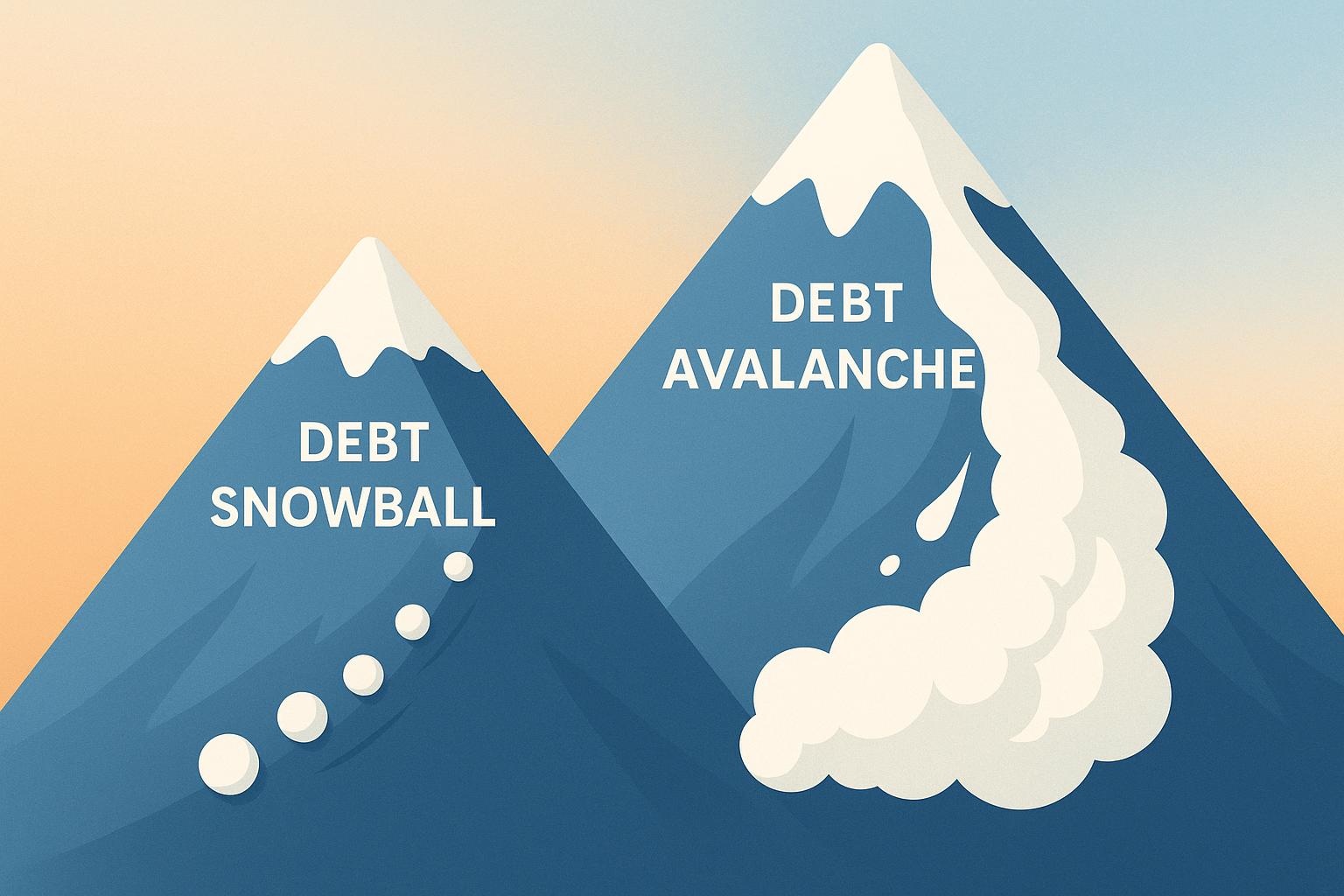
    • Pick a Repayment Strategy: Choose the method that works best for you. Here’s a quick comparison:

      Strategy How It Works Best For Estimated Interest Savings
      Debt Avalanche Pay off the highest interest rate first Saving the most money ~$6,000 in interest savings*
      Debt Snowball Pay off the smallest balance first Staying motivated ~$4,600 in interest savings*

      *Compared to making only minimum payments.

    • Take Action:

      • Always make the minimum payments on all debts.
      • Put any extra money toward the debt you’re targeting.
      • Look into debt consolidation to secure lower interest rates.
      • Use tools like Fullness to track your progress.
      • Celebrate each milestone – paying off a debt is a big win!

    "If you are in a situation where you have high interest loans, avalanche may be most appropriate. But if your loans have similar or low interest rates, the avalanche method may offer little advantage over the snowball approach".

    6. Never Updating Your Budget

    Once you’ve secured your spending and tackled debts, keeping your budget updated is key to staying on track with your finances. A budget that doesn’t evolve can lead to unnecessary stress. Changes like rising grocery costs due to inflation, a salary adjustment, or shifting priorities all demand updates to your financial plan. Experts warn that neglecting this step can result in overspending and derail your financial goals.

    Solution

    Regularly revisiting your budget ensures it stays relevant to your current situation. Here’s a simple breakdown of how to keep it up to date:

    Review Period Focus Areas Actions
    Monthly Income changes, variable expenses Compare actual spending to your budget
    Quarterly Recurring bills, subscriptions Adjust categories, check for better rates
    Annually Major expenses, financial goals Evaluate progress, review insurance plans

    To make this process easier:

    • Track Your Spending
      Use tools or apps to monitor how your actual expenses align with your budget.
    • Set Regular Check-Ins
      Plan quarterly reviews to adjust your budget based on real spending patterns.
    • Add a Buffer
      Build in a little extra room to handle minor, unexpected changes in costs.

    "Half of the budgeting process is setting spending targets based on your income, prior expenses and goals. The other half is tracking your spending and then adjusting as needed." – Experian

    An updated budget aligns with your current financial situation, helping you:

    • Spot areas where you’re overspending.
    • Find ways to cut costs.
    • Adjust savings goals based on changes in income.
    • Prepare more accurately for future expenses.
    sbb-itb-e671417

    7. Using Credit for Basic Needs

    Relying on credit for essentials like groceries, utilities, or gas can lead to mounting debt. If you’re using credit cards to cover these basic expenses, it’s often a sign that your budget needs immediate adjustment. The combination of convenience and high interest rates can quickly trap you in a cycle of debt that’s hard to escape.

    Solution

    Shift away from credit dependency by adopting a cash-focused plan:

    Expense Category Cash Management Strategy Steps
    Groceries Weekly cash allocation Set a fixed amount and use the envelope system
    Utilities Monthly auto-payments Schedule payments directly from your checking account
    Transportation Dedicated cash fund Pre-allocate funds for fuel or transit costs
    Emergency Items Savings buffer Build a one-month expense cushion
    • Track Credit Usage
      Identify which essential expenses are being charged to credit cards.
    • Build Small Savings Buffers
      Create a cushion for each spending category to reduce unexpected reliance on credit.
    • Adopt the Envelope System
      Allocate a set amount of cash per category to control spending.

    "Understanding the psychology behind credit card debt is crucial in addressing this issue. It’s not simply about spending beyond one’s means but about understanding the why and how of these spending habits." – Rick Munster, Personal Finance Expert

    To succeed in breaking free from credit reliance, focus on the root causes. Try these practical steps:

    • Examine spending habits and triggers.
    • Start an emergency fund dedicated to basic needs.
    • Automate bill payments directly from your checking account.
    • Regularly review and adjust your budget.

    Experts suggest building a one-month expense buffer before completely cutting out credit card use for necessities. This buffer acts as a safety net while you transition to a cash-based approach.

    Take it one step at a time. Begin with your largest recurring expense, such as groceries or utilities, and gain confidence as you stabilize that category. Gradually expand your cash-based system to other essential expenses, ensuring consistency as you refine your overall budget.

    8. Forgetting Yearly Expenses

    It’s easy to focus on monthly spending while forgetting about those big yearly bills that can throw your budget off track. Think property taxes, insurance premiums, car registration, professional memberships, or holiday shopping. When these costs sneak up, they can lead to credit card debt or drain your emergency savings.

    Solution

    The key is to spread these annual costs over the year by saving a little each month. This approach ensures you’re ready when the bills come due.

    Expense Type Annual Cost Example Monthly Savings Needed Tracking Method
    Car Insurance $1,200 $100 Dedicated savings account
    Property Tax $3,600 $300 Automatic monthly transfer
    Holiday Budget $1,200 $100 Sinking fund
    Annual Subscriptions $600 $50 Digital reminder system

    Here’s how to stay ahead of these expenses:

    1. Create a Yearly Expense Calendar

    Go through last year’s bank and credit card statements to identify recurring annual payments like subscriptions, insurance, and memberships. List them all to get a clear picture of your total yearly obligations.

    2. Set Up Separate Savings Accounts

    Open individual savings accounts (or sinking funds) for each type of annual expense. This keeps the money safe from accidental spending and helps you see your progress toward each goal.

    3. Automate Your Savings

    Divide each annual cost by 12 to find the monthly amount you need to save. Set up automatic transfers to make saving effortless and consistent.

    Some common yearly expenses to plan for include:

    • Home repairs and maintenance
    • Membership dues
    • School supplies or tuition
    • Holiday gifts
    • Replacing tech devices

    9. Falling for Impulse Buys

    Impulse buying can throw budgets off track. In fact, 94% of Americans admit to making impulse purchases. On average, these purchases add up to $150 each month, or $5,400 annually, which can hinder savings and lead to unnecessary debt.

    Solution

    1. Create a ‘Want List’
      Write down items you want to buy and apply a waiting period – 24 hours for smaller purchases and 30 days for bigger ones. This helps separate genuine needs from fleeting wants.
    2. Identify Your Triggers
      Keep a short journal to log your emotional state, time, place, and what prompted each purchase. This can help reveal patterns, as 53% of impulse buys are emotionally driven.

    "The key to getting a handle on the stress caused by impulse buys is to increase awareness of where every dollar is going, be honest about how frequently you spend impulsively, and create a realistic plan going forward."

    • Jesse Mecham, Founder of YNAB

    Including a small "fun money" category in your budget can also help. As Ashley Lapato, a money expert, puts it:

    "Sometimes, that means indulging in a little treat because, well – you earned it or had a bad day. People often feel like impulse shopping makes them ‘bad’ at money, and that’s simply not the case. Setting even a few dollars aside each month for a little treat gives us permission to spend without guilt, enjoy life, and stay on track with goals down the road."

    • Ashley Lapato, Money and Lifestyle Expert

    Here are a few more tips to manage impulse spending:

    • Use cash instead of credit cards when shopping
    • Unsubscribe from promotional emails and social media ads
    • Check what you already own before buying more
    • Remove saved payment details from online stores
    • Set specific savings goals for larger purchases

    10. Poor Family Money Communication

    Clear communication about money within families is just as important as personal budgeting. When family members don’t talk openly about finances, it can throw household budgets off track. Experts agree that uncoordinated spending is often a key factor in budget failures.

    Solution

    Improving financial communication in families requires open discussions and shared accountability. Here are some practical ways to make this happen:

    • Schedule Regular Money Talks
      Set aside time weekly or bi-weekly to go over expenses, savings, and upcoming bills. Keep these meetings short – 15 to 30 minutes is enough – and use them to address small concerns before they grow into bigger problems.
    • Establish Clear Guidelines
      Decide who handles which financial responsibilities. Agree on spending limits that require a conversation before exceeding them. Make sure both partners have access to financial accounts, and consider using shared budgeting tools to maintain transparency.
    Communication Strategy Purpose Implementation
    Weekly Check-ins Monitor spending and plan for upcoming costs 15–30 minute focused discussions
    Shared Budgeting App Provide real-time spending updates Both partners contribute and track expenses
    Monthly Reviews Adjust goals and refine the budget Longer sessions to assess progress

    For a successful family budget, it’s essential to align spending habits and priorities. These steps encourage open, judgment-free conversations about money, helping families work together toward their financial goals. Integrating these strategies into your budget plan can make managing shared finances much easier.

    11. Too Rigid for Life Changes

    Creating a budget that’s too rigid can backfire when life throws unexpected changes your way. Major events like changing jobs, moving, or shifts in family dynamics can make a strict budget unworkable.

    "Another common barrier to successful budgeting is designing a strict budget with ambitious goals – only to burn out within a month." – Evelyn Waugh, Personal Finance Writer at Experian

    Solution

    Building flexibility into your budget is key to staying on track over the long haul. Here’s how you can craft a budget that adjusts to life’s ups and downs:

    Budget Component Fixed Percentage Flexible Range Adjustment Trigger
    Essential Needs 50% 45-55% Income changes, relocation
    Flexible Wants 30% 25-35% Lifestyle adjustments
    Savings/Debt 20% 15-25% Emergency expenses

    Start with the 50/30/20 rule as your foundation but make room for adjustments based on your current situation.

    Here are some strategies to keep your budget flexible:

    • Build Buffer Zones: Set aside short-term savings for unexpected expenses, separate from your main emergency fund. This helps cover smaller surprises without derailing your financial goals.
    • Schedule Regular Reviews: Take time each month to review your budget. Look for trends in your spending and tweak your allocations as needed. This keeps your budget aligned with your actual needs.
    • Stay Balanced: Think of your budget as a living document. It should help you manage your money wisely while still accommodating your lifestyle.

    As you fine-tune your approach, consider using digital tools to simplify how you track and adjust your finances.

    12. Skipping Budget Apps

    Using only paper to track your finances is outdated and often leads to mistakes. Many Americans struggle with saving enough money, which underscores the importance of effective financial tools.

    Digital budgeting apps offer a more efficient way to stay on top of your money, making tracking easier and reducing errors.

    Solution

    Digital budgeting tools simplify managing your money while cutting down on mistakes. Here’s what they bring to the table:

    Feature What It Does
    Automated Tracking Keeps your records updated without manual work
    Smart Categorization Organizes your spending for better insights
    Bill Reminders Alerts you to pay bills on time
    Goal Monitoring Shows your progress toward financial goals
    Custom Budgets Lets you set spending limits that fit your lifestyle

    Apps like Fullness combine these features with secure, bank-level encryption to help you:

    • Track Spending: Automatically log and sort your transactions.
    • Stay on Top of Bills: Receive reminders to avoid late payments.
    • See Progress: Monitor your financial growth in real time.

    Experts suggest starting small by tracking your expenses for just one week. It’s also a good idea to keep about 5% of your monthly income as a cushion for unexpected expenses.

    To make the most of digital budgeting, consistency is key. Here’s how to get started:

    • Review Transactions: Check that all your expenses are categorized correctly.
    • Cut Unused Subscriptions: Spot and cancel services you no longer need.
    • Adjust Budgets: Update spending categories as your financial situation changes.

    Daily engagement with these tools can make a noticeable difference in how you manage your money.

    Next Steps for Better Budgeting

    Start by tracking your daily spending for a month to understand where your money is going.

    • Pick one or two spending categories to focus on, like groceries or dining out. This keeps things manageable and avoids feeling overwhelmed.
    • Treat your emergency fund as a priority. Over half of Americans can’t handle a $1,000 emergency – so make it a fixed expense.
    • Look at your recurring bills. These often contribute to the paycheck-to-paycheck cycle that affects 64% of U.S. adults. Consider shopping around for better deals on insurance, cable/internet, phone plans, or gym memberships to cut costs.

    Keep your budget flexible. Review and tweak it every few months to match any changes in your financial situation. Tools like Fullness can simplify this process with real-time tracking and personalized alerts.

    For annual expenses like car insurance or property taxes, divide the total by 12 and set aside that amount each month.

    Lastly, open and honest communication about finances is essential, especially for families. Clear discussions about shared goals can help you stay on track and avoid unnecessary spending. These steps will support your efforts to improve and maintain a solid budgeting plan.

    FAQs

    How can I start saving for an emergency fund while living paycheck to paycheck?

    Saving for an emergency fund when you’re living paycheck to paycheck might feel overwhelming, but small, consistent steps can make a big difference. Start by setting aside even a small amount, like $10 or $20 per paycheck, and automate the transfer to a separate savings account. Treat it like a non-negotiable bill.

    Next, take a closer look at your spending. Track your expenses to identify areas where you can cut back, like canceling unused subscriptions or reducing dining out. If possible, explore ways to boost your income, such as selling items you no longer need or picking up a side gig. Every little bit adds up over time, helping you build financial security even on a tight budget.

    How can I tell the difference between needs and wants when creating a budget?

    Distinguishing between needs and wants is key to building a strong budget. Needs are essential expenses required for survival and basic well-being, like housing, groceries, utilities, and healthcare. Wants, on the other hand, are non-essential items or experiences that enhance your quality of life, such as dining out, subscriptions, or luxury items.

    To get started, list all your expenses and categorize them as either needs or wants. A helpful approach is the 50/30/20 rule, where 50% of your income goes to needs, 30% to wants, and 20% to savings or debt repayment. If you’re unsure about an expense, ask yourself: Can I live without this? or Does this directly impact my basic needs?

    Remember, what qualifies as a need or want can vary from person to person, so focus on what aligns with your financial goals and priorities.

    How can I get my family involved in budgeting to improve communication and avoid overspending?

    Involving your family in budgeting can strengthen communication and help everyone stay on the same page financially. Start by having open, age-appropriate conversations about your household budget and financial goals. For example, you could discuss saving for a family vacation or managing monthly expenses together.

    Make it interactive by involving them in tasks like planning grocery trips, setting savings goals, or tracking spending. For younger children, use simple activities like sorting coins or creating a visual savings chart. By including your family in the process, you’ll build teamwork, encourage accountability, and help everyone understand the value of smart financial decisions.

    Related posts

  • Complete Guide to Building Wealth in Your 30s

    Complete Guide to Building Wealth in Your 30s

    Your 30s are a key decade to build financial stability and set yourself up for long-term success. Here’s how you can make the most of this time:

    • Start with the Basics: Calculate your net worth by subtracting liabilities (debts) from assets (savings, investments, property). Use this as a starting point to set clear financial goals.
    • Save and Invest: Prioritize an emergency fund (3–6 months of expenses), retirement savings (10–15% of income), and smart investments like 401(k)s, IRAs, and diversified portfolios.
    • Budget Effectively: Choose a budgeting method (50/30/20, zero-based, etc.), track your spending, and automate bill payments to stay consistent.
    • Increase Income: Explore side hustles like selling digital products, renting out property, or investing in dividend-paying stocks for passive income.
    • Handle Debt Wisely: Use the snowball or avalanche method to pay off high-interest debt and avoid bad debt like credit card balances.
    • Protect Your Money: Get essential insurance (health, life, disability) and create an estate plan with a will and power of attorney.
    • Plan for the Future: Maximize retirement contributions, diversify investments, and consider real estate to grow your wealth.

    Major Money Milestones to Accomplish in Your 30s

    Start with Financial Basics

    Before you can grow your wealth, it’s important to understand where you currently stand. According to the Federal Reserve, the median net worth of U.S. families reached $192,900 in 2023.

    Check Your Current Finances

    Start by calculating your net worth. Add up your assets and subtract your liabilities. Here’s a quick breakdown:

    Assets Liabilities
    Bank accounts Credit card debt
    Investment accounts Student loans
    Home market value Mortgage balance
    Car value Car loans
    Personal property Personal loans
    Insurance policy cash value Other debts

    A positive net worth means you own more than you owe. A negative net worth indicates you owe more than you own. If you’re in the negative, don’t stress – many people in their 30s are still paying off student loans or mortgages. Use this as a starting point to set clear financial goals.

    Set Money Goals

    Your 30s are a great time to focus on building wealth. For 2024, you can contribute up to $23,000 to a 401(k) and $7,000 to an IRA. To get started, prioritize these three areas:

    • Emergency Fund: Save 3–6 months’ worth of living expenses.
    • Debt Management: Tackle high-interest debt with a solid repayment plan.
    • Retirement Savings: Aim to save 10–15% of your income.

    Once your goals are set, it’s time to track your progress.

    Track Your Money with Tools

    Fullness offers tools to help you stay on top of your finances, including:

    • Daily expense tracking
    • Savings goal setting
    • Bill payment reminders
    • Debt management features
    • Financial health snapshots

    The free plan simplifies tracking by automatically categorizing expenses and allowing you to set custom savings goals. These tools make it easier to align your day-to-day spending with your long-term plans.

    With a clear picture of your finances and goals in place, you’ll be ready to fine-tune your budget and explore ways to increase your income in the next section.

    Budget and Increase Income

    Take control of your finances by setting up a budget and finding ways to increase your income.

    Pick Your Budget Method

    Find a budgeting approach that works for your lifestyle and financial goals:

    Budget Method Best For How It Works
    50/30/20 Those seeking balance Allocate 50% to needs, 30% to wants, and 20% to financial goals.
    Zero-Based Detail-oriented planners Assign every dollar a specific purpose.
    Pay-Yourself-First Savings-focused individuals Save first, then budget the rest for expenses.
    Envelope System People prone to overspending Use cash for specific spending categories to avoid overspending.

    Track your spending for 30–60 days to understand your habits before choosing a method. Tools like Fullness can help by categorizing transactions automatically and highlighting spending patterns.

    Once your budget is in place, automate your payments to stay organized and consistent.

    Set Up Auto-Payments

    1. Organize Your Bills

      • Group recurring expenses like utilities, rent/mortgage, credit card payments, subscriptions, savings, and investments.
    2. Schedule Payment Dates
      Align due dates for your bills to one or two days each month. This makes tracking easier and simplifies cash flow management.

      "The ability to ‘set it and forget it’ lets you rest easy knowing that your bills will be paid on time each month without you having to lift a finger."

    3. Add Safety Nets
      Set reminders a few days before payments are due and maintain a buffer in your checking account for unexpected expenses.

    Once your recurring expenses are on autopilot, you’ll have more time and energy to focus on increasing your income.

    Add Extra Income Sources

    Looking to boost your earnings? Here are some effective ways:

    Digital Products and Services
    Emily McDermott, an Etsy seller, earned over $200,000 in less than two years by selling templates for Excel and Google Sheets. Consider creating:

    • Online courses
    • Templates
    • Ebooks
    • Stock photos

    Real Estate and Space Rental
    The average U.S. landlord earns $60,107 annually. Explore options like:

    • Renting out spare rooms
    • Leasing unused storage space
    • Hosting on Airbnb, which can bring in an average of $14,000 per year

    Investment Income
    Start small with investments such as:

    • Dividend-paying stocks
    • REITs (Real Estate Investment Trusts) with minimum investments starting at $500
    • Index funds
    • Bonds

    "Passive income is a great way to supplement your salary and build wealth over time without much ongoing work. It can be generated from sources like investments, rentals, or selling digital products, offering you more flexibility and freedom." – Michael Keenan, Author, Shopify

    Use tools like Fullness to track your revenue streams and fine-tune your strategies. Make sure to set aside part of your extra income for taxes and reinvestment opportunities.

    Handle Debt Wisely

    Once you’ve tightened your budget and boosted your income, the next step is tackling your debt. Managing debt effectively can set you up for lasting financial success. Here’s how to approach it.

    Pay Off Debt Step by Step

    Choose a repayment strategy that works best for you:

    Strategy How It Works Best For
    Snowball Method Focus on paying off the smallest debts first while making minimum payments on others Those who are motivated by quick wins
    Avalanche Method Pay off debts with the highest interest rates first while maintaining minimum payments on others People who want to save the most on interest
    1. List Your Debts
      Write down all your debts, including balances, interest rates, and minimum payments.
    2. Set Up Your Payment Plan
      Direct extra funds toward your target debt while continuing to make minimum payments on the rest. Did you know the average American adult owes more than $104,000?
    3. Track Your Progress
      Keep an eye on your progress and celebrate small milestones along the way.

    It’s also important to understand the difference between debt that can help you grow financially and debt that drains your resources.

    Know Good Debt from Bad

    Not all debt is harmful – some can actually help you build wealth:

    Good Debt:

    • Mortgages (often come with tax benefits)
    • Student loans (investing in your future earning potential)
    • Business loans (can lead to income growth)

    Bad Debt:

    • Credit card balances (average interest rate: 24.4%)
    • High-interest personal loans
    • Car loans for vehicles that lose value quickly

    Build a Strong Credit Score

    Your credit score plays a big role in your financial health. Here’s what matters most:

    • Payment history (35% of your score): Always pay on time.
    • Credit utilization: Keep it under 30%.
    • Length of credit history: The longer, the better.
    • Credit mix: A variety of credit types can help.
    • New credit applications: Limit how often you apply for new credit.

    To improve your score:

    • Set up automatic payments and regularly review your credit report.
    • Keep old accounts open to maintain your credit history.
    • Avoid applying for too much new credit at once.

    "Paying down debt is one of the best things you can do to strengthen your financial picture and improve your credit score." – Wells Fargo

    Once your debt is under control and your credit score is solid, you’ll be ready to focus on building wealth through smart investments.

    sbb-itb-e671417

    Invest for the Future

    Once your debt is under control, it’s time to focus on investments that can grow your wealth. Your 30s are a critical time to lay the groundwork for long-term financial stability.

    Maximize Retirement Accounts

    Take full advantage of workplace retirement plans. You can contribute up to $23,500 to your 401(k) in 2025, and most companies (98%!) offer an employer match. Make sure you’re contributing enough to get the full match – it’s essentially free money.

    You can also explore other tax-advantaged accounts, as shown below:

    Account Type 2025 Contribution Limit Benefits
    Traditional/Roth IRA $7,000 ($8,000 if age 50 or older) Broader investment options and tax perks
    HSA (if eligible) $4,300 (single) / $8,550 (family) Triple tax benefits and investment potential
    After-tax 401(k) Up to $70,000 total (including employer contributions) Extra retirement savings

    Diversify Your Investments

    A simple guideline – 100 minus your age – can help you determine your stock-to-bond allocation. For example, if you’re 35, aim for about 65% in stocks and 35% in bonds.

    Here’s a breakdown of options:

    • Stocks:
      • Large-cap index funds like Vanguard’s S&P 500 trackers
      • Mid-cap and small-cap funds for growth opportunities
      • International stocks for global exposure
    • Bonds:
      • Government bonds
      • Corporate bonds
      • Municipal bonds, which may offer tax advantages

    "Being disciplined as an investor isn’t always easy, but over time it has demonstrated the ability to generate wealth, while market timing has proven to be a costly exercise for many investors. Having a plan that includes appropriate asset allocation and regular rebalancing can help investors overcome this challenge." – Ann Dowd, CFP®, vice president at Fidelity Investments

    This approach balances risk and growth, steering you toward financial success.

    Look Into Real Estate

    Real estate can be a powerful way to grow your wealth in your 30s. Aim to save for a 20% down payment to avoid private mortgage insurance and keep your housing costs below 35% of your take-home pay.

    "One of the best financial pieces of advice I ever received from a mentor was to always live beneath your means when it comes to your home." – Alexa von Tobel, Founder & Managing Partner of Inspired Capital

    Adding real estate to your portfolio provides another layer of diversification as you work toward long-term wealth.

    Protect Your Money

    Securing your financial future is just as important as growing your wealth. Here are some key steps to help safeguard what you’ve worked hard to achieve.

    Get the Right Insurance

    In your 30s, having the right insurance is a must. Focus on these four types of coverage:

    Insurance Type Average Cost What It Covers Why It Matters
    Health $22,463/year (family plan) Medical expenses Helps manage healthcare costs
    Life $300-400/year Death benefit Provides income replacement for dependents
    Disability 1-3% of annual salary Income replacement Protects your ability to earn
    Property $15-20/month (renters) Personal property Covers loss or damage to belongings

    Your choice of insurance should align with factors like your family situation, age, lifestyle, and any benefits provided by your employer. For life insurance, a common rule of thumb is to aim for coverage equal to 10 times your annual income.

    Here’s a critical fact: more than 25% of 20-year-olds today will face a disability before they retire. Disability insurance safeguards your most valuable asset – your earning potential.

    Plan Your Estate

    Estate planning isn’t just for older adults. Even in your 30s, it’s essential to have these key documents in place:

    1. Last Will and Testament

    This ensures your assets are distributed according to your wishes. Hiring an attorney to draft a basic will typically costs a few hundred dollars.

    2. Living Will and Power of Attorney

    "A living will offers much-needed guidance for your medical team and family, especially when a decision isn’t clear", says Nathaniel Arnett, an estate planning expert at Fidelity Investments.

    3. Trusts for Complex Estates

    If your financial situation is more intricate, a trust might be worth considering. While it can cost $1,000 or more, it can help you avoid probate and provide greater control over how your assets are managed.

    Once your estate plan is in place, focus on building liquidity for unexpected expenses by establishing an emergency fund.

    Save for Emergencies

    An emergency fund should cover 3-6 months of essential living costs. Yet in 2023, only 54% of American adults had enough savings to cover three months of expenses.

    Here’s how to calculate your target savings:

    Expense Category Monthly Amount
    Housing (rent/mortgage) Your expense
    Utilities Your expense
    Food/groceries Your expense
    Healthcare Your expense
    Transportation Your expense
    Minimum debt payments Your expense
    Insurance premiums Your expense

    Keep your emergency savings in a high-yield savings account for easy access and to earn some interest. Fidelity emphasizes the importance of these funds: "Anyone who can’t predict the future needs emergency savings". Treat contributions like a recurring bill, and replenish the account promptly after any withdrawals.

    Conclusion

    To successfully build wealth in your 30s, it’s crucial to combine disciplined spending, smart investing, and strong asset protection. Tim Kenney, a certified financial planner and founder of Seawise Financial, emphasizes the importance of taking bold steps early:

    "If you can do it, if you can stomach it – be as aggressive as you can because your timeline is literally 30-40 years".

    Take full advantage of retirement contributions, especially when employers offer matching funds. With historical returns averaging 9–10%, your 30s are an ideal time to create a diversified investment portfolio. Brian Walsh, CFP®, highlights the benefits of these accounts:

    "Retirement plans are tax-advantaged, meaning that you won’t pay capital gains taxes as the money grows. This is the primary benefit of using a retirement account to invest in your 20s, 30s, or at any age".

    By aligning all parts of your financial plan, you can stay on track. Tools like Fullness can help you:

    • Monitor your spending and uncover savings opportunities
    • Track your retirement and investment growth
    • Ensure your emergency fund remains intact
    • Strategize and manage debt repayment

    Each step contributes to a stronger financial future.

    FAQs

    How can I save for retirement while paying off debt in my 30s?

    Balancing retirement savings and debt repayment in your 30s requires careful planning and prioritization. Start by creating a budget to understand your income, expenses, and debt levels. Make at least the minimum payments on all debts to protect your credit score, and contribute enough to your employer-sponsored retirement plan to take full advantage of any matching contributions – it’s essentially free money.

    Focus on paying off high-interest debt, like credit cards, as quickly as possible, while building an emergency fund to cover 3–6 months of living expenses. Once high-interest debt is under control, aim to save at least 15% of your pre-tax income for retirement, including any employer match. Automate savings and debt payments to stay consistent, and revisit your financial plan regularly to adjust as needed. If you’re unsure about the best approach, consider consulting a financial advisor for personalized guidance.

    How can I diversify my investment portfolio to build long-term wealth?

    Diversifying your investment portfolio is key to building long-term wealth and managing risk. Start by spreading your investments across different asset classes, such as stocks, bonds, real estate, and cash. This helps reduce the impact of poor performance in any single category.

    Within each asset class, aim for variety. For example, in stocks, consider a mix of large-cap, small-cap, international, and sector-specific investments. Geographic diversification, such as including international stocks or bonds, can also help balance your portfolio by taking advantage of different market trends.

    Finally, regularly rebalance your portfolio to maintain your desired allocation as market values shift over time. This ensures your investments stay aligned with your financial goals and risk tolerance.

    What types of insurance should I have in my 30s to protect my finances, and how do I decide the right coverage amount?

    In your 30s, having the right insurance is key to safeguarding your financial future. Start with life insurance, especially if you have dependents, a mortgage, or significant debt. A good rule of thumb is to aim for coverage that’s 10–12 times your annual income, or enough to replace your income and cover major expenses for your family. Term life insurance is often a cost-effective option for this stage of life.

    You should also consider homeowner’s or renter’s insurance to protect your property, auto insurance for your vehicle, and disability insurance to secure your income if you’re unable to work due to illness or injury. As your life changes – like getting married, having children, or taking on more debt – review and adjust your coverage to ensure it aligns with your needs.

    Related posts

  • Living Paycheck to Paycheck? 8 Steps to Break the Cycle

    Living Paycheck to Paycheck? 8 Steps to Break the Cycle

    65% of Americans live paycheck to paycheck – and it’s not just those with lower incomes. Even 40% of people earning over $100,000 annually face the same struggle. Rising costs, inflation, and poor budgeting habits are key reasons for this financial stress. But breaking free is possible with the right steps.

    Here’s a quick summary of how to stop living paycheck to paycheck:

    • Create a budget: Track income and expenses to see where your money goes.
    • Build an emergency fund: Start saving, even small amounts, for unexpected costs.
    • Cut unnecessary spending: Cancel unused subscriptions and avoid impulse buys.
    • Increase your income: Take on side gigs, freelance, or sell unused items.
    • Pay off debt: Focus on high-interest debt to free up cash.
    • Set clear financial goals: Plan for both short- and long-term needs.
    • Automate savings and bills: Make saving and paying bills effortless.
    • Review monthly: Regularly check your progress and adjust as needed.

    Small changes can lead to big improvements. Start today by tracking your spending and setting realistic goals to take control of your finances.

    Proven Ways to Stop Living Paycheck to Paycheck

    Know Your Money Situation

    Keeping track of your finances regularly can give you a clear picture of your spending habits and help you manage your money better. Let’s dive into how you can get a handle on your financial situation.

    Record Money In and Out

    Start by recording all sources of income and your expenses. Income can include regular earnings like your salary or freelance work, as well as occasional boosts like bonuses or side gigs. On the expense side, note fixed costs like rent, car payments, and insurance, along with variable ones like groceries, utilities, and entertainment.

    Tools like Fullness’s expense tracker can simplify this process by automatically categorizing transactions. This makes it easier to identify spending patterns and pinpoint areas where you might be overspending.

    Here’s a quick look at key expense categories:

    Category Type Examples Typical Monthly %
    Essential Housing, Utilities, Food 50%
    Flexible Entertainment, Shopping 30%
    Financial Goals Savings, Debt Payment 20%

    Once you’ve logged your transactions, make it a habit to review them monthly for a deeper understanding of where your money is going.

    Check Numbers Monthly

    Regular reviews are crucial for staying on track with your budget. Set aside a few minutes weekly (5–10 minutes) and a longer session monthly (about 30 minutes) to assess your financial progress.

    During your monthly review, focus on:

    • Comparing your actual spending to your budget
    • Reviewing recurring subscriptions
    • Tracking progress toward savings goals
    • Adjusting spending categories as needed
    • Planning for upcoming expenses

    Fullness’s financial snapshot feature can make this process even easier by generating reports that highlight your spending trends. Automated alerts can also notify you when you’re approaching your spending limits, helping you avoid going over budget.

    8 Ways to Stop Living Paycheck to Paycheck

    Once you’ve got a clear picture of your finances, follow these eight steps to help you gain control and build stability.

    1. Create a Simple Budget

    Gather your bills and pay stubs to figure out your monthly income and expenses. If your income varies, calculate the average from the past year. Break your spending into three categories: essentials, financial goals, and extras. Review your budget every month to make necessary adjustments.

    2. Build an Emergency Fund

    Set up automatic transfers to a high-yield savings account to start your emergency fund.

    "Even if you’re starting from zero, regularly setting aside money – even in small amounts – will eventually get you to your goal. It just takes time and a little discipline."

    3. Trim Unnecessary Spending

    Studies show that half of Americans buy things they don’t actually need. For example, as of January 2024, 99% of U.S. households subscribed to at least one streaming service. To cut back, try:

    • Adjusting your thermostat to lower heating and cooling costs (these make up about 50% of electricity bills)
    • Canceling subscriptions you don’t use
    • Planning meals to avoid overspending on food
    • Shopping with a list to minimize impulse buys

    4. Boost Your Income

    Look for ways to bring in extra money. You could pick up additional shifts, sell items you no longer use on platforms like Facebook Marketplace or OfferUp, start a side gig that uses your skills, or explore freelance work.

    5. Tackle Your Debt

    Anna Barker from LogicalDollar emphasizes:

    "Carrying debt is seen as completely normal – which it absolutely shouldn’t be. This is why any effort to cut expenses will also have to be accompanied by a shift in mindset."

    Make it a priority to pay down high-interest debt as part of your overall financial plan.

    6. Set Financial Goals

    Define clear, realistic goals for your money, both short- and long-term. Use tools like Fullness’s goal-setting features to track your progress. Balancing immediate needs with larger objectives, like saving for retirement or buying a home, can keep you on track.

    7. Automate Payments and Savings

    Automating your finances makes saving and paying bills easier.

    "Saving automatically is one of the easiest ways to make your savings consistent so you start to see it build over time."

    Set up direct deposit splits to send part of your paycheck straight to savings. Schedule automatic bill payments and recurring transfers to stay consistent with your financial goals.

    8. Review Monthly

    Take time each month to go over your budget, track your progress, and tweak your strategies as needed. Regular reviews help keep everything on course.

    sbb-itb-e671417

    Money Management Apps and Tools

    Managing your money is easier than ever with modern tools. They help you track spending, set goals, and stay organized, turning financial plans into real, actionable steps.

    What Fullness Offers

    Fullness

    Fullness is packed with tools to help you break free from living paycheck to paycheck. Its user-friendly design makes it simple to:

    • Keep tabs on your spending and categorize transactions
    • Build budgets tailored to your needs
    • Set and monitor savings goals
    • Stay on top of bill payments
    • Track your financial progress over time
    • Create detailed progress snapshots

    It also features a debt management tool that helps you prioritize debts and develop personalized repayment plans.

    "Finally found an app that makes financial planning simple and actually enjoyable!"

    Why Use Fullness

    Fullness takes budgeting and saving to the next level, offering a range of features to support your financial goals. Even the free plan includes tools for effective money management:

    Feature What It Does
    Budget Tracking Keeps real-time tabs on spending
    Goal Setting Helps you track multiple savings goals
    Bill Reminders Sends automated payment alerts
    Debt Management Creates optimized repayment plans
    Financial Snapshots Provides visual progress updates

    "Fullness helped me track my spending habits and save more. Now I’m debt-free!"

    With secure data encryption, Fullness ensures your information stays safe while helping you build better money habits and work toward your financial goals.

    Conclusion

    Breaking free from financial struggles requires discipline and consistent effort. While it’s a common challenge, building steady habits can lead to lasting improvements.

    Small wins – like saving your first $10 for an emergency fund or paying off a single debt – can create the momentum you need for long-term financial stability. Each step forward strengthens the groundwork for future success.

    "To stop living paycheck to paycheck, you need to put your knowledge into practice with good habits that take time to form – and often more time to yield life-changing results."
    – Atlas Credit

    If setbacks arise, view them as opportunities to adjust your plan. The National Foundation for Credit Counseling provides personalized support to help assess your situation and craft practical solutions. As discussed earlier, staying flexible while maintaining steady progress is essential for reaching your goals.

    Using tools like Fullness can help you stay on track by simplifying how you monitor goals, track spending, and celebrate milestones. By consistently assessing your progress and recognizing achievements, you’re creating habits that lead to long-term financial stability.

    FAQs

    How can I start saving for an emergency fund if I barely have any money left after paying my bills?

    Starting an emergency fund when money is tight can feel overwhelming, but small steps can make a big difference. Begin by saving a small, manageable amount – like $10 or 1% of your paycheck. Over time, these small contributions add up and help you build the habit of saving.

    Set a realistic goal, such as $500, to cover unexpected expenses like car repairs or medical bills. Automating your savings by setting up recurring transfers from your checking to savings account can ensure you stay consistent. To free up cash, look for ways to cut unnecessary expenses, such as dining out or unused subscriptions, and consider earning extra income through a side gig. Every little bit helps you get closer to financial security!

    How can I identify and cut back on unnecessary expenses?

    To identify and reduce unnecessary expenses, start by tracking your spending to see where your money is going. This helps you spot areas where you can cut back, like dining out, subscriptions you no longer use, or impulse purchases.

    Next, create a realistic budget that prioritizes essentials like rent, utilities, and groceries while setting limits for discretionary spending. You can also look for ways to lower monthly bills, such as negotiating better rates on services or switching to more affordable providers. Small changes can add up and help you regain control over your finances.

    How can I pay off high-interest debt while still saving for my financial goals?

    To tackle high-interest debt while working toward your financial goals, start by focusing on the debt with the highest interest rate, like credit cards. This approach, often called the debt avalanche method, saves you the most money over time. Alternatively, you can use the snowball method, where you pay off smaller debts first for quick wins and motivation.

    Create a realistic budget to track your income and expenses, prioritizing debt repayment while setting aside a small amount for savings. Look for ways to cut unnecessary expenses, and consider increasing your income through a side hustle or part-time job to free up more money for both debt payments and savings. Building an emergency fund, even just $500 to $1,000, can also help you avoid relying on credit cards for unexpected expenses, keeping your financial goals on track.

    Related posts

  • 5 Best High-Yield Savings Accounts in 2025

    5 Best High-Yield Savings Accounts in 2025

    High-yield savings accounts (HYSAs) in 2025 offer competitive interest rates, averaging around 5.00% APY, making them a great choice for growing your money securely. Here’s a quick look at the top 5 accounts:

    • Varo Bank: 5.00% APY on balances up to $5,000 (no fees, no minimum deposit).
    • Fitness Bank: 5.00% APY tied to your daily step count (minimum $100 balance).
    • Axos Bank: 4.66% APY with a $250 minimum deposit.
    • Pibank: 4.60% APY with no fees and no minimum balance.
    • BrioDirect: 4.45% APY with a $5,000 opening deposit.

    Quick Comparison

    Feature Varo Bank Fitness Bank Axos Bank Pibank BrioDirect
    APY 5.00% 5.00% 4.66% 4.60% 4.45%
    Min. Opening Deposit $0 $100 $250 $100 $5,000
    Min. Balance for APY $0 $100 $250 $25 $25
    Monthly Fees $0 $10 (waived) $0 $0 $0
    FDIC Insured Yes Yes Yes Yes Yes

    Key Takeaways:

    • Highest APY: Varo Bank and Fitness Bank lead with 5.00%.
    • Best for Low Balances: Varo Bank has no minimum deposit or balance.
    • Best for Active Savers: Fitness Bank rewards physical activity with top rates.
    • Best for Larger Deposits: BrioDirect offers great returns for balances over $5,000.

    Choose the account that fits your savings goals and habits. Whether you’re starting small or saving big, these accounts are excellent options for earning more on your money.

    5 BEST High Yield Savings Accounts of 2025

    1. Varo Bank (5.00% APY)

    Varo Bank offers an impressive 5.00% APY on balances up to $5,000. Any amount above that earns 2.50% APY.

    "THE VARO SAVINGS ACCOUNT OFFERS ONE OF THE HIGHEST APYS WE’VE SEEN." – Motley Fool

    To qualify for the 5.00% APY, you need to meet these two conditions:

    • Receive direct deposits totaling $1,000 or more each month.
    • Keep positive balances in both your Varo Bank Account and Savings Account at the end of the month.

    Key Features

    • No monthly fees or minimum balance requirements.
    • Includes tools like automatic round-ups and the "Save Your Pay" feature to help you grow your savings.

    Easy Access

    • Open an account in just two minutes with no hard credit check.
    • The mobile app is highly rated: 4.9 stars on the App Store (216,000+ reviews) and 4.7 stars on Google Play (230,000+ reviews).

    Additional Perks

    • FDIC-insured deposits up to $250,000.
    • Get your paycheck up to two days early with direct deposit.
    • Fee-free cash deposits at CVS locations.
    • Access to 55,000+ fee-free Allpoint® ATMs.

    Note: Qualifying direct deposits include electronic deposits of paychecks, pensions, or government benefits. Payments like tax refunds, stimulus checks, or person-to-person transfers won’t count toward this requirement.

    With its competitive APY and user-friendly features, Varo Bank stands out as a great option for high-yield savings in 2025.

    2. Fitness Bank (5.00% APY)

    Fitness Bank

    Fitness Bank links your interest rate to your daily step count. You can earn a 5.00% APY by holding both an Elite Checking and a Fitness Savings account.

    How to Qualify

    To get the top-tier 5.00% APY, you’ll need to meet these criteria:

    • Average 12,500 daily steps (10,000 if you’re 65 or older)
    • Maintain a minimum average balance of $5,000 in your Elite Checking account

    Account Highlights

    The Fitness Savings Account offers:

    • $100 minimum opening deposit
    • Daily interest compounding with monthly payouts
    • Free online banking and external transfers
    • Free eStatements
    • FDIC insurance

    Fees and Balance Details

    A $10 monthly maintenance fee applies but can be waived if you maintain a daily balance of $100 or more. Other fees include:

    Fee Type Amount How to Avoid
    Monthly Maintenance $10 Keep an average daily balance of $100+
    Excess Withdrawal $10 Limit withdrawals to 6 per month
    Incoming Wire $0 Always free

    Step-Based APY Rates

    Your APY depends on your daily steps:

    • 5.00% APY: 12,500+ steps daily with an Elite Checking account
    • 4.80% APY: 12,500+ steps daily without an Elite Checking account
    • 0.10% APY: If step goals aren’t met

    Mobile App Integration

    The Step Tracker app connects with Garmin, FitBit, Apple Health, and Google Play. Step data is reviewed, and rates are updated by the second week of the following month. This system rewards you for staying active while saving.

    3. Axos Bank (4.66% APY)

    Axos Bank

    The Axos Bank ONE® Savings account offers a 4.66% APY, which is seven times the national average. Plus, there are no typical banking fees, making it an appealing choice for those aiming to grow their savings.

    Account Requirements

    To open an Axos ONE® Savings account, you’ll need a minimum deposit of $250. To qualify for the 4.66% APY, you must meet one of these conditions:

    Option Monthly Deposits Average Daily Balance
    Option 1 $1,500+ $1,500+
    Option 2 $5,000+ $5,000+

    These requirements are straightforward, and Axos Bank also provides a range of additional features to make saving even easier.

    Account Features

    This account comes packed with perks, including early access to direct deposits, access to 95,000 fee-free ATMs across the country, FDIC insurance up to $250,000, and seamless management for both checking and savings accounts. Best of all, there are no monthly maintenance fees, minimum balance requirements, overdraft fees, or account opening fees.

    Interest Rate Details

    The 4.66% APY applies to all balance tiers, so you’ll earn the same rate no matter how much you save.

    Account Management

    Axos Bank serves over 400,000 customers and manages assets exceeding $20 billion. Its digital-first platform ensures easy access and competitive savings options, all from the comfort of your device.

    sbb-itb-e671417

    4. Pibank (4.60% APY)

    Pibank

    Pibank’s high-yield savings account offers an attractive 4.60% APY (as of February 3, 2025) with no hidden fees. This online-focused option makes saving simple and rewarding.

    Account Requirements

    To open a Pibank Savings account, you need to meet these criteria:

    • Be at least 18 years old
    • Have a valid Social Security Number
    • Reside in the U.S.
    • Provide a valid driver’s license, state-issued ID, or U.S. passport

    Account Features

    Pibank keeps things straightforward with a no-fee policy across all its services. Here’s an overview:

    Service Fee
    Monthly Maintenance $0.00
    Wire Transfers $0.00
    Stop Payments $0.00
    Account Research $0.00
    Dormant Account $0.00
    Excess Transactions $0.00

    This zero-fee structure ensures you can grow your savings without worrying about extra costs.

    Interest Rate Details

    There’s no minimum balance requirement to start earning interest. The account begins accruing interest from your first deposit. Interest is calculated daily and credited monthly on the 15th (or the next business day if it falls on a weekend or holiday). This makes it a hassle-free way to grow your savings.

    Account Management

    Pibank provides a user-friendly experience through its online platform and mobile app. However, this account is strictly for savings. Here’s what you should know:

    • No ATM or branch access
    • Transfers are limited to wire transfers only
    • Bill Pay and Zelle services are not available

    "The Pibank Savings is designed for saving: Its super-competitive rates and lack of fees makes it the ideal place for your money to grow. And, of course, it’s FDIC-insured." – Pibank USA

    Your account is FDIC-insured up to $250,000 per depositor, giving you peace of mind. You can also open multiple accounts, with combined balances supported up to $5,000,000. This makes it a solid choice for securely growing your savings with a high return.

    5. BrioDirect (4.45% APY)

    BrioDirect

    BrioDirect, the online division of Webster Bank, N.A., offers a high-yield savings account with an FDIC-insured 4.45% APY (as of April 30, 2025) and easy-to-use digital tools.

    Account Requirements

    Requirement Amount
    Minimum Opening Deposit $5,000
    Balance to Earn APY $25
    Monthly Maintenance Fee $0

    Interest Rate Details

    The 4.45% APY is subject to change based on market trends and adjustments to the federal funds rate. To earn this rate, keep a minimum balance of $25. There are no monthly maintenance fees.

    Account Management

    BrioDirect offers a user-friendly online banking experience. Account holders can:

    • Check balances and transactions anytime
    • Set up recurring transfers
    • Access free e-statements
    • Perform ACH transfers, wire transfers, or check deposits

    The mobile app simplifies banking, letting you manage your account on the go.

    Getting Started

    Opening an account is straightforward. You’ll need:

    • A smartphone or computer
    • Valid contact details
    • A government-issued ID
    • Your Social Security number

    For assistance, customer support is available at 877.369.BRIO. With its competitive rate and digital banking features, BrioDirect provides a convenient way to grow your savings.

    Account Comparison Chart

    Here’s a breakdown of five top high-yield savings accounts as of May 1, 2025:

    Feature Varo Bank Fitness Bank Axos Bank Pibank BrioDirect
    APY 5.00% 5.00% 4.66% 4.60% 4.45%
    Minimum Opening Deposit $0 $100 $250 $100 $5,000
    Minimum Balance to Earn APY $0 $100 $250 $25 $25
    Monthly Maintenance Fee $0 $0 $0 $0 $0
    Mobile App Yes Yes Yes Yes Yes
    Online Banking Yes Yes Yes Yes Yes
    ATM Access Yes Limited Yes Yes Yes
    FDIC Insurance Yes Yes Yes Yes Yes

    Key Features at a Glance

    • Top APY: Varo Bank and Fitness Bank share the lead with 5.00%.
    • Lowest Opening Deposit: Varo Bank offers a $0 minimum.
    • No Balance Requirement: Varo Bank also has no minimum balance to earn its APY.

    Digital Banking Features

    All these accounts come with modern conveniences, including:

    • Mobile check deposits
    • ACH transfers
    • Bill payment options
    • Account alerts
    • Paperless statements

    Important Details

    While BrioDirect requires a $5,000 deposit to open an account, you only need to maintain a $25 balance to earn its APY.

    This chart gives you a quick overview to help narrow your options. Up next, we’ll explore how to pick the best high-yield savings account for your financial goals.

    How to Choose Your Account

    Looking at the comparisons above, here’s how to find the best savings account for your needs.

    Pick a high-yield savings account that matches your deposit size, withdrawal preferences, and balance habits.

    Match Your Starting Deposit

    If you’re just getting started, look for accounts with little to no minimum deposit. For those with more to deposit upfront, consider accounts designed for larger balances.

    Think About Access

    If you need to withdraw cash frequently, make sure the account offers easy ATM access.

    Use Your Average Balance to Decide

    Balance Level Best Account Choice Why It Works
    Under $100 Varo Bank No minimum; competitive APY
    $100–$1,000 Fitness Bank Low minimum; good APY
    $1,000–$5,000 Axos Bank Moderate minimum; strong APY
    $5,000+ BrioDirect Higher minimum; excellent APY

    Beyond your balance, think about tools that simplify saving.

    Comfort with Digital Banking

    Online banks generally provide better interest rates than traditional banks – often over 4% compared to less than 1%. Decide if you’re comfortable with online-only platforms and check their customer support options.

    "A high-yield savings account offers an excellent opportunity to grow your money faster, thanks to competitive interest rates." – HeLa

    Features to Look For

    • FDIC insurance for your deposits
    • Limits on withdrawals
    • Automated savings tools
    • Reliable customer service

    Interest rates can change, so focus on features that align with how you manage your money. Choosing an account that suits your financial habits will help maximize your savings in 2025.

    FAQs

    What makes high-yield savings accounts better than traditional savings accounts when it comes to interest rates and benefits?

    High-yield savings accounts typically offer much higher interest rates than traditional savings accounts, making them an excellent choice for growing your savings. For example, while traditional accounts might offer an average Annual Percentage Yield (APY) of around 0.40%, high-yield accounts often provide rates between 4% and 5% or more. This can result in significantly higher returns over time.

    To put it into perspective, if you deposit $10,000 into a high-yield savings account with a 5% APY, you could earn around $2,800 in interest over five years. In contrast, the same amount in a traditional account with an APY of 0.05% might only earn about $50 in ten years. High-yield accounts are a simple way to make your money work harder while still keeping it safe and accessible.

    What requirements do I need to meet to earn the high APY rates for the savings accounts listed in the article?

    To earn the advertised high APY rates, specific requirements must be met for each account:

    • OnPoint Premium Savings: You’ll need to complete six qualifying transactions in an OnPoint checking account and maintain an active OnPoint Loyalty Savings account.
    • First Bank Promo Statement Savings: A minimum deposit of $100 in new funds is required to open the account. Existing First Bank customers must deposit at least $10,000 in new funds to qualify.
    • SoFi Checking and Savings: To unlock the highest APY, you must set up direct deposit or deposit $5,000 or more every 30 days.

    Details for other accounts may vary, so it’s best to confirm the latest requirements directly with the provider.

    How does FitnessBank’s step-based APY system work, and what happens if I don’t meet the required step count?

    FitnessBank’s step-based APY system offers higher interest rates based on your average daily step count. The more steps you take, the higher your Annual Percentage Yield (APY). If you don’t meet the required step count, your APY may be adjusted to a lower rate for that period.

    This system encourages staying active while helping you grow your savings, but it’s important to track your steps regularly to maximize your benefits.

    Related posts

  • Financial Freedom Checklist: 10 Milestones to Track

    Financial Freedom Checklist: 10 Milestones to Track

    Want financial independence? Here’s the roadmap in 10 steps:

    1. Set Goals: Define short, mid, and long-term financial targets.
    2. Budget Wisely: Follow the 50/30/20 rule for essentials, wants, and savings.
    3. Build Emergency Savings: Save 3-6 months of expenses for unexpected costs.
    4. Eliminate High-Interest Debt: Prioritize debts like credit cards and personal loans.
    5. Achieve Zero Debt: Track net worth and aim for a debt-free life.
    6. Hit Savings Milestones: Start with $10,000, then grow to $100,000+ over time.
    7. Plan for Retirement: Maximize 401(k) matches and IRA contributions.
    8. Diversify Investments: Balance stocks, bonds, and alternatives to reduce risk.
    9. Get Insurance: Protect yourself with health, life, and property coverage.
    10. Save for Life Events: Plan ahead for homes, education, and legacy goals.

    Quick Tip: Use tools like Fullness to track progress, manage debt, and stick to your goals. Start small, stay consistent, and review your finances quarterly to stay on track.

    10 Financial Milestones Worth Celebrating!

    What is Financial Freedom?

    Financial freedom is about having enough savings, investments, and passive income to support the lifestyle you want – without needing a traditional paycheck. It changes how you interact with money, moving from earning through work to letting your assets generate income for you.

    There are three main components to achieving financial freedom:

    • Reliable income streams that consistently cover your expenses and more
    • Purposeful money management, ensuring every dollar is tracked and allocated wisely
    • Long-term stability, built through emergency funds and diversified investments

    When you take control of your finances and understand where your money goes, you can make decisions that align with your personal goals. This shift from living paycheck to paycheck creates lasting wealth and gives you the freedom to spend your time as you choose.

    Up next, we’ll explore the 10 key milestones that can help you reach financial freedom.

    10 Key Financial Milestones

    These milestones create a step-by-step guide to help you achieve financial independence.

    1. Define Your Money Goals

    Set specific financial goals with clear amounts and deadlines:

    • Short-term (1 year): Save $1,000 for an emergency fund.
    • Mid-term (2-5 years): Save $50,000 for a house down payment.
    • Long-term (10+ years): Aim for $1.5 million in retirement savings.

    You can use tools like Fullness’s goal-setting feature to monitor your progress.

    2. Set Up a Monthly Budget

    Create a budget using the 50/30/20 rule to manage your money effectively:

    • 50% for essentials (housing, utilities, groceries).
    • 30% for discretionary spending (entertainment, dining out).
    • 20% for savings and paying off debt.

    Fullness’s budget tracker can help you stay on top of your spending.

    3. Save for Emergencies

    Build an emergency fund to cover 3-6 months of expenses. For example, if your monthly expenses are $4,000, aim to save $12,000–$24,000. Keep this money in a high-yield savings account, separate from your checking account.

    4. Pay Off High-Interest Debt

    Tackle high-interest debts first, focusing on the ones that cost you the most:

    Debt Type Average Interest Rate Priority Level
    Credit Cards 15-25% Highest
    Personal Loans 10-15% High
    Car Loans 4-8% Medium
    Student Loans 3-7% Medium

    5. Reach Zero Debt

    Track your net worth by listing all your assets and debts. Fullness’s financial snapshot tool can make this process easier.

    6. Hit Major Savings Goals

    Work toward these progressive savings milestones:

    Milestone Target Amount Timeline
    Starter $10,000 1-2 years
    Builder $50,000 3-5 years
    Security $100,000 5-7 years

    7. Build Retirement Savings

    Take these steps to grow your retirement fund:

    • Contribute enough to get the full employer match on your 401(k).
    • Max out IRA contributions ($6,500 for 2025, or $7,500 if you’re over 50).
    • Look into options like HSAs or solo 401(k)s for additional savings.

    8. Spread Out Investments

    Diversify your portfolio to reduce risk:

    • 60% in stocks (both US and international).
    • 30% in bonds.
    • 10% in alternative investments like real estate or commodities.

    9. Get Insurance Coverage

    Protect yourself and your family with these essential policies:

    • Health insurance
    • Term life insurance (10-12 times your annual income)
    • Property insurance (homeowners or renters)
    • Disability insurance (covering 60-70% of your income)

    10. Fund Major Life Events

    Prepare for big expenses by planning ahead:

    • Save for a home down payment (20% of the purchase price).
    • Invest in your children’s education with a 529 plan.
    • Set aside money for weddings or other significant events.
    • Begin legacy planning for your estate.

    Fullness’s dashboard can help you track your progress across these milestones.

    sbb-itb-e671417

    Track Progress with Digital Tools

    Fullness offers an easy-to-use dashboard that brings all your financial data together, helping you stay on top of your goals for financial independence.

    As you work through the milestones mentioned earlier, Fullness’s digital tools ensure every step is measured and aligned with your objectives.

    Tool Category Key Features Benefits
    Financial Snapshot Net worth calculator, asset tracking, debt overview See a clear overview of where you stand financially
    Goal Tracking Custom milestone setting, progress visualization, timeline projections Track your progress toward specific financial goals
    Budget Analysis Expense categorization, spending patterns, income tracking Spot areas to cut back and find opportunities to save
    Debt Management Payment scheduling, interest tracking, repayment strategies Stay on top of debt payments and repayment strategies

    These tools work together to ensure your financial plan stays on track.

    Smart Alerts keep you informed about upcoming bill payments, savings achievements, and when you’re exceeding your budget.

    Here’s how to get started with these tools:

    • Connect Your Accounts: Link your bank accounts and credit cards for real-time updates.
    • Set Alerts: Customize notifications for spending, savings, or other limits.
    • Review Reports: Regularly check your financial snapshots and reports to stay informed.

    Fullness uses data encryption to keep your information secure while providing insights you can act on.

    Next Steps

    Your quarterly reviews are key to staying on track toward financial independence. With your milestones set and digital tools in place, make it a habit to conduct consistent quarterly reviews using Fullness’s dashboard.

    • Financial Health Check
      Use your Fullness snapshot to analyze changes in net worth, debt, and savings. Look for patterns and use this data to fine-tune your milestones.
    • Review Milestone Progress
      Evaluate your goals and adjust timelines for any targets that are ahead or behind schedule. Fullness’s goal tracking tools can help you make these updates easily.
    • Analyze Budget and Spending

      "Simply understanding where your money is going can help you feel more confident about your finances."

    Quick tip: Schedule your reviews for January 1, April 1, July 1, and October 1 to match financial planning cycles. Use Fullness’s automatic reminders to ensure you never miss a review.

    "Every dollar should have a job. By understanding the goal of each dollar saved, you can best determine what account you should use."

    Consider trying a monthly no-spend challenge and track your progress through the Fullness dashboard. Regularly update your financial goals to reflect your changing priorities and vision.

    FAQs

    What’s the best way to save for retirement while paying off high-interest debt?

    Balancing retirement savings and high-interest debt repayment requires a strategic approach. Start by focusing on paying off high-interest debt – generally, anything with an interest rate of 6% or higher – since the cost of this debt often outweighs potential investment returns. Once high-interest debt is under control, you can allocate more resources toward retirement savings.

    Create a budget to track your spending and identify areas where you can cut back. This will free up funds for both debt repayment and savings. Consider using methods like the debt snowball (paying off smaller debts first) or the debt avalanche (tackling debts with the highest interest rates first) to efficiently eliminate debt. At the same time, automate contributions to your retirement account – even small amounts can grow significantly over time through compound interest. By staying consistent and disciplined, you can make progress on both goals simultaneously.

    How can I stick to the 50/30/20 budgeting rule effectively?

    To stick to the 50/30/20 budgeting rule, start by calculating your monthly after-tax income and dividing it into three categories: 50% for needs, 30% for wants, and 20% for savings and debt repayment. This rule offers a simple and flexible way to manage your finances while staying on track with your goals.

    Track your expenses regularly to ensure you’re staying within each category. If your spending on wants exceeds 30%, consider cutting back to free up more for savings or debt repayment. Similarly, if your needs take up more than 50%, look for ways to reduce fixed costs, such as negotiating bills or finding more affordable alternatives. Small adjustments can help you maintain balance and achieve long-term financial stability.

    Why is diversifying my investments important, and how can I choose the right balance of stocks, bonds, and other assets for my portfolio?

    Diversifying your investments is essential because it helps reduce risk by spreading your money across different asset classes, such as stocks, bonds, and alternative investments. This strategy can protect your portfolio from significant losses if one type of investment underperforms.

    To determine the right mix for your portfolio, consider your time horizon and risk tolerance. If you have a longer time horizon, you might opt for a higher allocation to stocks, which tend to offer higher growth potential but come with more risk. On the other hand, if you have a shorter time frame or prefer lower risk, a more balanced approach with bonds and other stable investments might be better suited to your goals. Regularly reviewing and adjusting your portfolio ensures it stays aligned with your financial objectives.

    Related posts

  • Debt Snowball vs. Debt Avalanche: Choosing Your Strategy

    Debt Snowball vs. Debt Avalanche: Choosing Your Strategy

    The Debt Snowball method prioritizes paying off your smallest debts first, giving you quick wins to stay motivated. The Debt Avalanche method focuses on paying off high-interest debts first, saving you the most money in the long run.

    Which is better for you?

    • Choose Debt Snowball if you need motivation through small victories.
    • Choose Debt Avalanche if you want to save the most on interest and can stay disciplined.

    Quick Comparison:

    Feature Debt Snowball Debt Avalanche
    Focus Smallest balance debts Highest interest rate debts
    Time to First Win Faster Slower
    Interest Savings Lower savings Higher savings
    Best For Motivation seekers Cost-conscious planners

    Both methods work, but your choice depends on your financial goals and mindset. Jump into the article for a deeper dive into each strategy.

    Debt Avalanche vs. Debt Snowball: Which Is Better?

    What is the Debt Snowball Method?

    The Debt Snowball method focuses on paying off your smallest debts first, regardless of their interest rates. The idea is to build momentum with quick wins, keeping you motivated as you tackle larger debts.

    How to Use the Debt Snowball Method

    Here’s how it works:

    1. List all your debts in order, starting with the smallest balance.
    2. Pay the minimum amount on all your debts except the smallest one.
    3. Put any extra cash toward paying off the smallest debt.
    4. Once the smallest debt is paid off, redirect those payments to the next smallest debt.

    This approach speeds up repayment by rolling freed-up payments into the next debt, creating a snowball effect that grows over time.

    Why People Choose the Debt Snowball Method

    The Debt Snowball method is popular because it delivers a sense of accomplishment early on. Research suggests this approach helps many people stay on track and eventually eliminate their debts. It’s especially helpful for:

    • Those who need quick wins to stay motivated.
    • People working toward financial goals like qualifying for a mortgage.
    • Anyone who struggles to maintain focus during long repayment plans.

    But, like any method, it’s not without its downsides.

    Drawbacks of the Debt Snowball Method

    While the Debt Snowball method is great for motivation, it can cost you more in the long run. Here’s why:

    • You might pay more in interest compared to strategies focused on high-interest debts.
    • It could take longer to become debt-free if high-interest debts are left for later.
    • It’s less efficient mathematically, as it doesn’t prioritize minimizing total interest.

    For example, if you add $100 extra each month to your smallest balance, you might still face interest costs of around $51,000 over 10 years. While this approach could save about $6,240 compared to minimum payments alone, it’s not the best choice for minimizing interest if you have significant high-interest debt.

    What is the Debt Avalanche Method?

    The Debt Avalanche method focuses on tackling high-interest debts first to reduce the total amount of interest paid. Unlike the Debt Snowball method, which emphasizes paying off smaller debts quickly for a sense of accomplishment, this method is all about saving money in the long run by targeting the most expensive debts.

    How the Debt Avalanche Method Works

    Here’s how to implement the Debt Avalanche method step by step:

    1. List your debts: Organize all your debts by interest rate, starting with the highest.
    2. Pay minimums on everything: Ensure you’re making at least the minimum payments on all debts.
    3. Focus extra funds on high-interest debt: Any additional money you can spare goes toward the debt with the highest interest rate.
    4. Repeat the process: Once you’ve cleared the highest-interest debt, move on to the next one, applying the same strategy.

    This method prioritizes efficiency, aiming to reduce the total amount of interest you pay over time.

    Why Choose the Debt Avalanche Method?

    The main advantage of this approach is that it minimizes your total interest costs. For instance, financial data shows the Avalanche method could lead to paying $1,011.60 in interest versus $1,514.97 with the Snowball method.

    Some key benefits include:

    • Reduces the total amount of interest paid.
    • Can shorten the overall time it takes to get out of debt.
    • Best suited for situations where debts have significantly different interest rates.

    However, while it’s cost-effective, this method does have its challenges.

    Challenges of the Debt Avalanche Method

    Though the Debt Avalanche method is often the most efficient, it’s not always the easiest to stick with. Here are some common hurdles:

    • Slow progress feels discouraging: High-interest debts often have larger balances, so it can take a while to see results.
    • Requires discipline: Staying motivated can be tough when visible progress is slow.
    • Consistent income is necessary: This method assumes you have extra money to put toward your highest-interest debt regularly.
    • Less impactful with similar interest rates: If your debts all have similar rates, the benefits of this method may not be as noticeable.

    To succeed with the Debt Avalanche method, you’ll need to stay focused on the long-term goal of saving money, even if the progress feels slower at first.

    sbb-itb-e671417

    Snowball vs. Avalanche: Key Differences

    The Debt Snowball method focuses on paying off the smallest balances first, while the Debt Avalanche method prioritizes debts with the highest interest rates. Here’s a breakdown of how they differ.

    For instance, the Avalanche method can save you thousands of dollars in interest compared to the Snowball approach. However, the psychological experience varies: Snowball offers quick wins and a sense of progress early on, while Avalanche requires patience since larger, high-interest debts take longer to pay off.

    Method Comparison Chart

    Feature Debt Snowball Debt Avalanche
    Priority Focus Smallest balance debts Highest interest rate debts
    Time to First Win Faster Slower
    Interest Savings Lower potential savings Higher potential savings
    Motivation Factor Encourages progress through wins Focused on financial efficiency
    Best For Those who need quick motivation Self-disciplined individuals
    Timeline ~10 years to debt freedom ~9 years to debt freedom
    Interest Savings ~$6,240 vs. minimum payments ~$12,000 vs. minimum payments
    Key Strength Builds momentum quickly Saves more money overall
    Main Challenge Costs more in interest Requires patience and discipline

    Your choice between these methods depends on your financial goals and mindset. If your debts have widely varying interest rates, the Avalanche method could lead to significant savings. On the other hand, if the interest rates on your debts are similar, the quick motivational boosts of the Snowball method might be more beneficial.

    These points can help you decide which approach aligns best with your financial and emotional needs. We’ll dive deeper into this in the next section.

    How to Pick Your Method

    Deciding between the Debt Snowball and Debt Avalanche methods depends on your financial situation and what keeps you motivated. Let’s break down the key factors to help you choose the right approach.

    Key Decision Points

    Your repayment strategy should align with both your financial details and your personal drive. Here’s what to consider:

    Interest Rate Differences: If your debts have a big gap in interest rates, the Debt Avalanche method will save you more money in the long run.

    Motivation Style: Think about what keeps you motivated. If consistent small wins help you stay on track, the Debt Snowball method is a great fit. If you’re more focused on saving as much money as possible, the Debt Avalanche method might work better for you.

    Debt Setup:

    • Debts with similar interest rates? Snowball may be better for staying motivated.
    • A wide range of interest rates? Avalanche will save you more money.
    • Lots of small debts? Snowball offers quick victories.
    • A few large, high-interest debts? Avalanche maximizes savings.

    Use tools like Fullness’s debt management platform to analyze your situation and choose the best method for your goals.

    Debt Management Tools

    Fullness offers tools to help you put these strategies into action:

    Feature Supports Snowball Supports Avalanche
    Debt Prioritization Ranks debts by balance Ranks debts by interest rate
    Progress Tracking Visual progress bars Interest savings calculator
    Payment Planning Minimum payment scheduler Extra payment optimizer
    Goal Setting Celebrations for milestones Tracks total interest saved

    These tools allow you to:

    • Track your debt payoff progress in real time
    • Calculate how much interest you’re saving
    • Set up automatic payment reminders
    • Adjust your strategy as your situation changes
    • See your debt-free timeline come to life

    Conclusion

    The Debt Avalanche method can save you more money in the long run. For instance, one study showed savings of $45,340 in interest over 9 years compared to $51,000 with the Debt Snowball method. These numbers emphasize the importance of selecting the approach that fits your financial situation.

    Experts agree that if your debt includes high-interest loans, the Avalanche method is often the better choice.

    Here are some key considerations:

    • Interest Rates: Avalanche is ideal when rates vary significantly, while Snowball works better if rates are similar.
    • Motivation: If you need quick wins to stay motivated, go with Snowball. For bigger savings over time, stick with Avalanche.
    • Your Situation: Think about the types of debt you have and how disciplined you can be with payments.

    Tools like Fullness can simplify the process, offering features like debt prioritization, progress tracking, and payment planning. Start organizing your debts today and track your journey toward financial freedom.

    FAQs

    Which is better for me: the Debt Snowball or Debt Avalanche method if my interest rates are similar?

    If your debts have similar interest rates, the Debt Snowball method can be a great choice because it helps you build momentum by paying off smaller balances first. This can provide a sense of accomplishment and keep you motivated.

    On the other hand, the Debt Avalanche method focuses on paying off debts with the highest interest rates first, which usually saves more money over time. However, with similar interest rates, the financial difference between the two methods may be minimal, so it’s often a matter of personal preference and what keeps you motivated to stay on track.

    Can I switch between the Debt Snowball and Debt Avalanche methods after starting one?

    Yes, you can switch between the Debt Snowball and Debt Avalanche methods at any time if your priorities or financial situation change. Flexibility is key when managing debt, and it’s important to choose the approach that keeps you motivated and on track.

    For example, you might start with the Debt Snowball method to build momentum by paying off smaller balances first. Later, you could transition to the Debt Avalanche method to focus on minimizing interest costs. The best strategy is the one that aligns with your goals and helps you stay consistent in paying down debt.

    How can I stay motivated when using the Debt Avalanche method, especially since results may seem slow at first?

    Staying motivated with the Debt Avalanche method can be challenging at the start because progress may feel slow. To keep yourself on track, focus on the bigger picture: this strategy saves you more money in the long run by minimizing interest payments. Remind yourself that every payment brings you closer to financial freedom.

    You can also celebrate small milestones, such as reducing your overall debt balance or paying off a high-interest loan. Tracking your progress visually – like using a chart or app – can make your achievements more tangible. By staying consistent and focusing on your ultimate goal, you’ll find it easier to stay committed to the process.

    Related posts

  • Credit Card vs. Debit Card: Which Should You Use?

    Credit Card vs. Debit Card: Which Should You Use?

    When deciding between credit and debit cards, it all comes down to your financial goals and habits. Here’s the key takeaway:

    • Use a credit card if you want to build credit, earn rewards, or need stronger fraud protection. Just make sure to pay your balance in full each month to avoid interest charges.
    • Stick to a debit card if you want to avoid debt, control spending, or manage daily expenses directly from your bank account.

    Quick Comparison

    Feature Credit Cards Debit Cards
    Fraud Protection Strong, often no liability Varies, liability depends on reporting time
    Spending Power Borrowed money, up to a credit limit Limited to your account balance
    Rewards Offers perks like cash back or travel points Typically no rewards
    Building Credit Helps improve credit score No impact on credit score
    Interest Charges Applies if balance isn’t paid in full No interest charges
    Fees May include annual or late fees Overdraft fees may apply

    Bottom line: Credit cards are great for big purchases, travel, and building credit, while debit cards are better for sticking to a budget and avoiding debt.

    How Credit and Debit Cards Work

    Where the Money Comes From

    When you use a debit card, the money is taken directly from your checking account right away. On the other hand, credit cards let you borrow money up to a set limit, which you can pay back later.

    Spending Limits and Payment Rules

    Debit cards limit your spending to the amount in your bank account. Credit cards, however, allow you to spend up to a certain limit, which is determined by the card issuer.

    How Payments Are Processed

    With debit cards, the transaction checks your funds in real time, either deducting the money immediately or placing a hold on it. For credit cards, the purchase is authorized and the amount is reserved, but it typically shows up on your statement within one to two days.

    This breakdown helps explain how each type of card works differently when it comes to spending and financial management. Up next, we’ll look at their pros and cons side-by-side.

    Credit Cards vs. Debit Cards: Which is Right for You? A …

    Benefits and Drawbacks

    Knowing the strengths and weaknesses of credit and debit cards can help you make informed choices when it comes to spending. Here’s a quick comparison of their main features:

    Side-by-Side Comparison

    Feature Credit Cards Debit Cards
    Fraud protection Strong – liability capped at $50, often waived entirely Liability varies from $0 to unlimited, depending on how quickly fraud is reported
    Spending power Based on a set credit limit Limited to the balance in your account
    Rewards Offers perks like cash back, travel points, and more Typically no rewards
    Building credit Can help establish and improve your credit history Does not impact your credit score
    Interest charges High rates apply if you carry a balance No interest charges
    Fees May include annual fees Could have overdraft fees
    Access to funds Borrowed money that must be repaid later Directly uses funds from your checking account

    Credit cards offer borrowing power, rewards, and strong fraud protection but come with potential fees and interest if not managed carefully. Debit cards, on the other hand, rely on your own funds, helping you stay within budget while avoiding interest – but with fewer perks and less fraud coverage. Up next, we’ll look at when to choose each option.

    sbb-itb-e671417

    Best Times to Use Each Card

    Here’s a breakdown of when each type of card works best. Check the earlier side-by-side comparison to match the features to your needs.

    Improving Your Credit Score

    Paying your credit card bill on time helps boost your credit score, making it easier to qualify for better loan rates in the future. Unlike debit cards, credit cards report your activity to credit bureaus, helping establish your financial reliability.

    "Responsible credit card use comes with obvious perks, such as cash back or rewards, but it can also help you build credit and better manage cash flow."

    Managing Daily Expenses

    Debit cards are great for everyday spending since they limit you to the funds available in your account. This makes them a solid choice for sticking to a budget and avoiding overspending.

    Big Purchases and Travel

    Credit cards are ideal for large purchases and travel-related expenses. They often include benefits like purchase protection, extended warranties, and rewards points that can help offset costs.

    Staying Out of Debt

    If you’re working on reducing debt, stick to using a debit card. Since it draws directly from your bank account, it helps you avoid adding to your balances and keeps you from paying interest on new expenses.

    Smart Card Usage Tips

    Pick the Right Card

    Choosing the right card for your needs is key. Here’s a simple way to decide:

    "With your debit card, you can only spend what you have in the bank. Using a debit card is a good idea if you’re trying to build better buying and spending habits or to avoid racking up debt."

    If you’re working on controlling spending or avoiding debt, a debit card might be the better option. On the other hand, if you want to build credit, earn rewards, or take advantage of fraud protection, a credit card is the way to go.

    The goal is to match your card choice with your financial priorities. Once you’ve done that, the next step is keeping track of your spending.

    Track Spending with Fullness

    Fullness

    After picking your card, stay on top of your finances by monitoring every transaction. Fullness offers tools to help you manage your money effectively:

    • Budget tracking for real-time updates on your spending
    • Debt management and bill reminders to keep your credit in good shape
    • Savings goals and account overviews to prevent overdrafts

    These tools make it easier to stay aware of your spending habits while getting the most out of your card.

    Conclusion

    In 2023, Americans used debit cards for 30% of payments and credit cards for 32% of payments. Choosing the right card depends on what you’re buying and your financial priorities.

    Credit cards are ideal for larger purchases, travel rewards, fraud protection, and building credit – as long as you pay the balance in full each month. Debit cards, on the other hand, are great for everyday spending and avoiding debt since they limit your spending to what’s in your account.

    Use tools like Fullness to track transactions and set real-time budgets. This helps you manage your finances effectively and get the most out of the payment method that works best for you.

    Related posts

  • 15 Ways to Cut Monthly Expenses Without Sacrificing Quality

    15 Ways to Cut Monthly Expenses Without Sacrificing Quality

    Want to save money without giving up your lifestyle? These 15 strategies can help you lower your monthly expenses while maintaining quality. From cooking at home to using energy-efficient appliances, each tip is designed to make a real difference in your budget. Here’s a quick overview:

    • Track Spending: Use tools like Fullness to identify unnecessary expenses and stay on budget.
    • Cook at Home: Save hundreds by swapping takeout for homemade meals.
    • Lower Utility Bills: Adjust thermostat settings and upgrade to energy-efficient appliances.
    • Review Insurance Plans: Shop around and bundle policies for discounts.
    • Cancel Unused Subscriptions: Reclaim wasted dollars by cutting services you no longer use.
    • Automate Savings: Set up auto-transfers to build your financial cushion effortlessly.
    • Smart Grocery Shopping: Buy in bulk, use coupons, and choose store brands.
    • Reduce Transportation Costs: Carpool, use public transit, or improve fuel efficiency.
    • DIY Repairs: Tackle simple home fixes yourself to save on labor costs.
    • Leverage Free Local Resources: Libraries and community events offer free entertainment and tools.

    Key Savings at a Glance:

    Category Monthly Savings Annual Savings
    Food & Groceries $250 $3,000
    Utilities & Energy $175 $2,100
    Insurance & Memberships $150 $1,800
    Subscriptions $125 $1,500
    Transportation $200 $2,400

    Start small, track your progress, and watch your savings grow – all without sacrificing the things you love. Ready to dive in? Let’s get started!

    15 money saving hacks that actually work

    Start Cutting Expenses

    To start reducing your spending, track every dollar you spend for 30 days. Tools like Fullness can help by automatically sorting your expenses into essential and nonessential categories. It also flags recurring charges that might be worth revisiting. This gives you a clear picture of where your money is going, making it easier to make cuts without drastically changing your lifestyle.

    Fullness’s tracking features also provide real-time updates, helping you stay on top of your spending habits.

    1. Track Expenses with Fullness

    Fullness

    Features:

    • Get bill reminders so you never miss payments for utilities, credit cards, streaming services, or insurance.
    • View real-time snapshots comparing your expenses to your budget, making it easy to spot overspending.
    • Use the debt management tool to see all your loans and credit card balances in one place, helping you tackle high-interest debt first.

    Make it a habit to check your dashboard weekly to:

    • Look over recent transactions.
    • Monitor how you’re doing with your budget.
    • Plan for any upcoming bills.

    Fullness uses encryption to keep your data secure, so you can focus on saving money. With these tools, you can avoid late fees and still enjoy the services that matter to you.

    Next up: Take these savings strategies and apply them to your grocery budget with smart meal planning.

    2. Make Meals at Home

    Cooking at home saves money and lets you control the quality of your meals. A study found that restaurant-delivered meals average over $20 per serving, while home-cooked meals cost about $4 per person. If you eat 20 meals a month, that’s $400+ for delivery, $240 for meal kits, and just $80 for home cooking.

    Want to see how much you’re saving? Use Fullness to track your grocery budget as you try these tips:

    Buy in Bulk and Freeze Wisely
    Stock up on staples when they’re on sale, then portion and freeze them to reduce waste. For example, a 20-pound bag of frozen Tyson chicken wings from Sam’s Club costs around $25.

    Choose Affordable Alternatives:

    • Swap fresh broccoli for frozen (about $4 for a large bag)
    • Use canned tomatoes (around $0.36 per can) for sauces
    • Add lentils to stretch ground beef in recipes

    Make Staples at Home
    Instead of buying premade items, make them yourself. For instance, a 16-ounce jar of kimchi costs about $13 at the store, but the same budget can cover ingredients for three 60-ounce jars if you make it at home.

    These small changes can cut your grocery bill significantly without sacrificing flavor or nutrition. Fullness can help you monitor your spending as you put these strategies into action.

    Up next: Learn how to lower utility bills by tweaking appliance use and temperature settings.

    3. Use Better Appliances and Temperature Settings

    After tackling meal-related savings, it’s time to focus on reducing your utility bills.

    Upgrade to Energy-Efficient Appliances

    Switching to appliances with an Energy Star certification can significantly cut electricity costs. Here are some examples:

    Optimize Temperature Settings

    Adjusting your thermostat can lead to noticeable savings. Lowering it by just 1°F can reduce heating costs by about 3%, which translates to roughly $10/month in Michigan.

    For even greater savings:

    • Set lower temperatures for home, away, and sleep modes.
    • When no one is home, drop the temperature by 10°F to maximize efficiency.

    Monitor Energy Usage

    Tracking your energy usage helps pinpoint wasteful habits. Tools like the Emporia Vue 3 provide real-time data, making it easier to shift high-energy tasks to off-peak hours. For instance, a California homeowner who replaced a 15-year-old refrigerator with an Energy Star GE Profile saved $180 annually.

    Keep a record of your appliance upgrades and thermostat adjustments using apps like Fullness to measure your progress. Up next: explore ways to trim your insurance costs.

    4. Check and Update Insurance Plans

    Dealing with rising insurance premiums? Take control by reviewing and adjusting your policies regularly. With Fullness tracking your utilities, you can also use it to keep an eye on your insurance costs and make smarter adjustments. A yearly review of your insurance can help lower premiums without sacrificing coverage.

    Tips to Lower Premiums

    • Review policies every December: Double-check property details, apply discounts for safety features, remove unnecessary coverage, and consider bundling home and auto insurance.
    • Increase deductibles: If you have an emergency fund, raising your deductible can lower your monthly premium.
    • Bundle policies: Combining home and auto insurance often qualifies you for multi-policy discounts.
    • Add safety features: Installing security systems, smoke detectors, or storm-resistant upgrades can lead to savings.
    • Shop around for car insurance: Compare rates every 6–12 months or after major life events like marriage, buying a home, or adding a new driver to your policy.

    Best Times to Review Coverage

    "Shopping for car insurance every six months to a year can help you make sure you’re always getting the best price." – CNBC Select

    Key moments to reassess your insurance include:

    • After getting married
    • When purchasing a home or vehicle
    • If you move to a new location
    • When your credit score improves
    • Adding a teen driver to your policy

    Use Fullness to Track Savings

    Log your current premiums and any savings after adjustments in Fullness. Before renewing your policy, gather multiple quotes – shoppers save an average of $900 per year on auto insurance.

    Next up, we’ll look at how bundling home services can lead to even more monthly savings.

    5. Combine Home Services

    You can save more on your monthly bills by combining home services like internet and TV into a single package.

    Bundling these services can lower costs through convenience and indirect savings. Here’s a look at what some major providers offer:

    • Spectrum TV® Select Signature + Spectrum Internet: $125/month (saves $25)
    • Cox Go Fast Internet + Contour TV Preferred: $161/month (saves $4)
    • Xfinity Connect More + Choice TV: $68/month (saves $2)

    Why Bundles Make Sense

    • One installation means no multiple setup fees.
    • Equipment rentals may be free or discounted, with potential upgrades included.
    • Streaming on bundled plans often doesn’t count toward data limits.
    • A single provider manages all maintenance and service changes.

    "Internet and TV bundling still brings a lot of convenience to the table and may still save you some cash (and time), even if those savings don’t come through a direct discount."

    • Austin Aguirre

    For instance, Xfinity’s Choice Double Play bundle costs $49.99/month and includes 100 Mbps internet plus Limited Basic TV channels. That’s a $14.75 monthly savings compared to buying these services separately.

    Tips Before You Bundle

    • Compare the cost of bundled services against separate plans.
    • Read the fine print on service agreements to avoid surprises.
    • Check if using different providers for each service might offer better savings.

    Track your expenses before and after bundling to see how much you’re saving. Plus, factor in the convenience of having one provider handle everything.

    Next, we’ll look at cutting fees by removing services you don’t use.

    6. Remove Unused Services

    The average American wastes $924 every year on subscriptions they don’t use.

    Spot Unused Subscriptions

    A tool like Fullness can help you track and flag recurring charges in one place. Once you’ve identified them, follow these steps to cancel and reclaim those monthly fees.

    Start by reviewing your last 3-6 months of statements. Focus on these common culprits:

    • Streaming services
    • App subscriptions via Apple App Store or Google Play
    • Gym memberships
    • Magazine or news subscriptions
    • Software licenses
    • Online storage services

    Tips for Canceling Subscriptions

    • Create a list of each subscription, including its cost and renewal date.
    • Set calendar reminders for trial end dates and renewals.
    • Contact providers directly to cancel, and keep confirmation emails or receipts.

    Check your Fullness dashboard weekly to ensure no charges sneak back in.

    Avoiding Future Subscription Pitfalls

    • Use virtual cards for free trials to prevent auto-renewals.
    • Carefully read terms before signing up for new services.
    • Regularly review your email and statements for unexpected charges.

    Fullness can also show you how much you’re saving each month by canceling unused subscriptions. Consider using those savings to work toward financial goals or add to your emergency fund.

    Coming up: Learn how paying bills on time can help you avoid late fees.

    7. Pay Bills On Time

    Once you’ve canceled unused subscriptions, focus on paying the remaining bills on time to keep your finances in check. Late payments can hurt your credit score and add costly fees that eat into your budget.

    Use Schedules and Reminders

    Take advantage of tools like Fullness’s bill-tracking and reminder features. These can help you schedule payments for utilities, loans, and subscriptions. Weekly alerts ensure you’re always aware of upcoming due dates.

    Automate Payments

    Set up auto-pay through your bank or directly with service providers for recurring charges. This way, you won’t have to worry about missing a payment.

    Match Due Dates to Your Pay Cycle

    Many creditors allow you to align your payment dates with your paycheck schedule. This reduces the risk of overdrafts and ensures funds are available when bills are due. Reach out to your service providers to request date adjustments or to combine multiple services into a single bill.

    What to Do If You Can’t Pay

    If you’re unable to make a payment, contact your creditor as soon as possible. They may offer payment plans or other options to help you manage.

    Next: Learn how automating savings can help build your financial safety net.

    8. Set Up Auto-Savings

    Make saving effortless by automating it. This ensures money goes into your savings before you have a chance to spend it.

    You can divide your direct deposit or use Fullness’s automated savings feature to transfer 10% of every paycheck into your savings account. Over time, aim to increase this to 15%. Schedule transfers to align with your paydays, and adjust the amount as your budget evolves. Many banks also offer round-up programs that automatically save your spare change – for example, if you spend $3.50 on coffee, the remaining $0.50 is transferred to your savings account.

    For better returns, send your savings to a high-yield savings account. These accounts help your money grow faster thanks to compounding interest.

    Tips to Get Started:

    • Begin with a small percentage and gradually increase it.
    • Schedule transfers to align with your payday to avoid overdrafts.
    • Check your balances monthly and make adjustments as needed.

    Fullness also offers savings goal tracking, so you can keep an eye on your progress.

    Next: Learn how smarter grocery shopping can help slash your monthly food bills.

    sbb-itb-e671417

    9. Smart Grocery Shopping

    Take your expense tracking to the next level by applying it to your grocery shopping habits. Use the Fullness app to organize your pantry with a color-coded system: red for items you need immediately, yellow for those running low, and green for fully stocked. This way, you’re shopping for only what’s necessary.

    Money-Saving Shopping Tips

    • Check unit prices instead of just looking at the total package cost. It’s a better way to determine value.
    • Choose generic or store brands when they’re just as good as name brands.
    • Buy in bulk for staples you use often – it’s usually cheaper in the long run.
    • Browse clearance or manager’s-special sections for discounted items.
    • Skip single-serve portions, which tend to cost more per ounce.
    • Leverage loyalty programs and digital coupons to stack up savings. These can help you save as much as $60 a month on groceries.

    Mistakes That Cost You Money

    • Overbuying food that ends up going to waste.
    • Impulse purchases that throw your budget off track.

    Use Fullness to monitor your grocery spending, spot trends, and find areas where you can cut back.

    Next: Cut your transportation costs without losing convenience.

    10. Cut Transportation Costs

    Transportation expenses average $10,728 per year. Use tools like Fullness to track vehicle-related costs and spot expensive trips. Ready to rethink your commute? Let’s dive in.

    Improve Fuel Efficiency

    Boost your car’s fuel efficiency with a few simple habits:

    • Keep tires properly inflated, remove unnecessary weight, avoid rapid acceleration, and limit idling.
    • Use apps like Gas Buddy to find cheaper fuel and consider a gas-rewards card (just make sure to pay it off monthly).
    • When buying a new car, opt for fuel-efficient models. For example, upgrading from 20 MPG to 30 MPG could save you about $918 annually.

    Alternative Transportation Options

    Switching up your commute can lead to big savings. Here are some alternatives:

    • Public transit: Save up to $10,000 per year, though it may have limited flexibility due to fixed routes.
    • Carpooling: Share the ride and cut commuting costs by roughly 50%, while maintaining more flexibility.
    • Biking or scootering: Enjoy almost no operating costs, though this depends on weather and distance.

    Maximize Employer Benefits

    Your workplace might have perks that can help cut transportation costs. Reach out to your HR department to explore options like:

    • Subsidized public transit passes
    • Parking reimbursements
    • Vanpool programs
    • Telecommuting opportunities

    By tracking your transportation expenses with Fullness, you can uncover even more ways to save – without sacrificing convenience in your daily routine.

    Next: Lower loan payments and reduce interest costs.

    11. Lower Loan Payments

    Once you’ve cut transportation costs, it’s time to focus on reducing your debt. One effective way to do this is by lowering your loan payments through refinancing or debt consolidation. These strategies can help you save money while maintaining financial stability.

    Refinancing: A Closer Look

    Refinancing involves replacing your current loan with one that has better terms. For instance, a homeowner with a $320,000 30-year mortgage at 4.87% was paying $1,692 per month. After refinancing to a 3.125% interest rate, their monthly payment dropped to $1,370 – saving $322 every month and a total of $116,000 in interest over the life of the loan.

    It’s not just mortgages – auto loans can benefit too. Refinancing a $35,000 car loan from 8.5% to 3.125% (with four years left) lowers monthly payments by $63 and saves over $3,000 in interest.

    Debt Consolidation Options

    Debt consolidation combines multiple debts into a single loan, making payments more manageable and often reducing monthly costs. Here are some common options:

    • Personal loans: Fixed payments, but typically require a good credit score.
    • Personal lines of credit: Flexible borrowing and repayment, though it requires strong financial discipline.
    • Home equity lines of credit (HELOCs): Offer low rates and long terms but use your home as collateral.
    • Balance transfer credit cards: Introductory 0% APR can save you money, but watch out for higher rates after the promo period ends.

    What to Do Before Refinancing

    • Check your credit score: Higher scores generally secure better interest rates.
    • Shop around: Compare lenders and consider fees, points, and closing costs.

    A Few Words of Caution

    Think twice before refinancing federal student loans through private lenders – you could lose access to federal benefits. Also, avoid taking on new debt after paying off accounts.

    To make tracking easier, consider tools like Fullness to monitor your loan balances, identify opportunities for lower rates, and calculate your monthly savings.

    Next, we’ll dive into how comparing service prices can help you save even more.

    12. Compare Service Prices

    Once you’ve streamlined your loan payments, it’s time to tackle recurring service bills and those pesky hidden fees. Fullness offers tools to help you identify and address these charges while comparing service providers for the best deal.

    Spot Hidden Fees

    Hidden fees can sneak into your bills and inflate costs without you noticing. Fullness scans your bills line by line, flagging unusual charges or unexpected price hikes as they occur. This way, you can catch and address these surprises before they take a toll on your budget.

    What to Compare

    When you’re evaluating service providers, Fullness makes it easy to compare key factors, including:

    • Base rates before add-ons
    • Extra fees or hidden charges
    • Speed and reliability of service
    • Included features like data limits or perks
    • Customer reviews and support quality

    How to Use Fullness for Smart Comparisons

    Fullness simplifies the process of comparing services. With its bill scanning feature, you can:

    • Keep tabs on your current service costs
    • Get alerts for unexpected fee increases
    • View provider rates side by side in one dashboard
    • Track service performance metrics
    • Save quoted prices and included features for future reference

    By logging quoted rates and features, Fullness helps you make informed decisions and find the best value without sacrificing quality.

    Next, we’ll dive into how switching to store brands can help you save money while still getting great products.

    13. Switch to Store Brands

    Switching to store brands is an easy way to cut grocery costs. In fact, an average family of four could save up to $4,800 per year just by making this change.

    Examples of Savings

    • Aldi Baker’s Corner chocolate chips: Save $1.50 per 12-oz bag
    • Whole Foods 365 ketchup: Over $2 saved per 32-oz bottle (rated 4.6/5 stars)
    • Signature Select mac & cheese: Save $0.70 per box (rated 4.48/5 stars)

    How to Start

    Begin with basic items like canned vegetables, pancake mix, and condiments. Compare ingredient lists – store brands often use the same formulas as national brands but skip the markup. Plus, many stores offer money-back guarantees, so you can try products without risk.

    According to Consumer Reports, over half of store-brand products match or even surpass the quality of national brands in blind taste tests. Experts also point out that many store brands are made with the exact same ingredients as their pricier counterparts.

    For high-quality private labels, check out Kirkland (Costco), Trader Joe’s, 365 (Whole Foods), Good & Gather (Target), and Aldi.

    Want to track your savings? Use Fullness to monitor how much you’re cutting from your grocery budget as you make the switch.

    Up next: See how tackling DIY home repairs can help you save even more.

    14. Fix Things Yourself

    Taking on home repairs yourself can save you hundreds of dollars each year. For example, repairing a washing machine on your own might cost you less than $30 in parts and an hour of effort, compared to paying over $200 for a service call. Tools like Fullness can help you keep track of parts and labor costs as you go.

    Common DIY Fixes and Costs

    Here’s a quick look at average U.S. costs for some common DIY repairs:

    • Shower cartridge replacement: $30
    • Ice maker inlet valve: $60–80
    • Washing machine pump: $50–150
    • Oven igniter: $40–60
    • Ceiling fan switch: $8

    Essential Tools to Have

    A basic toolkit is all you need to get started, and it won’t break the bank (around $60). Make sure you have:

    • Claw hammer
    • Screwdriver set
    • Adjustable wrench
    • Pliers
    • Tape measure
    • Level

    "A surprising number of common household repairs are within reach of the average homeowner – and rolling up your sleeves pays off." – This Old House

    Tips for Tackling Repairs

    Before you dive into a repair, take these steps to ensure safety and success:

    • Turn off utilities: Shut off electricity, gas, or water as needed.
    • Document details: Write down model and serial numbers to order the right parts.
    • Do your homework: Watch reliable online tutorials specific to your issue.
    • Start with the basics: Check things like connections and filters first.
    • Know when to stop: Complex electrical or gas repairs should be left to professionals.

    Keep track of your repairs and savings using Fullness, and don’t forget to explore free local resources for additional help.

    15. Use Free Local Resources

    Cut down on leisure expenses by making the most of free community resources. Use apps like Fullness to log events and borrowed items, helping you track how much you’re saving on entertainment.

    Library Perks Beyond Books

    Libraries aren’t just for borrowing books anymore. Many offer free streaming services, museum passes, tools, musical instruments, and even cake pans. By borrowing instead of buying, you can save a lot. Log these items and their retail value in Fullness to see the difference it makes.

    Free Entertainment in Your Community

    Here are some great no-cost options for fun and learning in your area:

    • Parks and recreation: Enjoy free movies and concerts.
    • Community colleges: Attend public lectures and events.
    • Places of worship: Experience concerts, plays, and guest speakers.
    • Historical societies: Visit local historical sites.
    • Planetariums: Check out free public shows.
    • Eventbrite: Find free local events.
    • findhelp.org and 211info: Discover community resources.
    • City calendars: Stay updated on local events.

    "A surprising number of common household repairs are within reach of the average homeowner – and rolling up your sleeves pays off." – This Old House

    Making the Most of Libraries and Community Events

    Getting started is simple: sign up for a library card, visit museums on free-admission days, or join local Meetup groups. Also, keep an eye on your city’s event calendar. These resources are great for staying connected, learning new things, and saving money – all while having fun.

    Money-Saving Methods at a Glance

    Here’s a quick breakdown of potential savings across key expense areas:

    Expense Category Monthly Savings Annual Savings How to Save
    Food & Groceries $250 $3,000 Shop in bulk at warehouse stores, plan meals
    Utilities & Energy $175 $2,100 Use energy-efficient appliances, smart thermostats
    Insurance & Memberships $150 $1,800 Review policies, bundle coverage
    Subscriptions $125 $1,500 Cancel unused services, combine plans
    Transportation $200 $2,400 Focus on fuel efficiency, try carpooling or public transit
    Debt Payments $300 $3,600 Look into refinancing or loan consolidation

    Balancing Initial Costs with Long-Term Savings

    Some strategies may require an upfront investment, like buying energy-saving appliances or refinancing loans. However, these costs often pay off by lowering your monthly bills over time.

    Tips for Maximizing Savings

    • Buy in bulk: Warehouse clubs can help you save on groceries and household essentials.
    • Bundle services: Combine insurance policies or memberships to reduce costs.
    • Automate savings: Use tax-advantaged accounts or automated transfers to stay on track.

    Want to simplify your savings? Fullness lets you manage all these strategies in one easy-to-use dashboard.

    Using Fullness to Save Money

    Here’s how Fullness’s free plan helps you put those 15 money-saving strategies into practice:

    • Track expenses and budgets with clear category summaries
    • Set custom savings goals and see your progress visually
    • Get bill reminders to avoid late fees
    • View loans and debts in one place for better management
    • Access financial snapshots and reports to stay on top of your finances

    Your data is protected with secure encryption. Pair these tools with the strategies mentioned earlier to monitor your savings and make adjustments as needed.

    Conclusion

    Apply these 15 strategies step by step to achieve noticeable monthly savings without compromising your lifestyle. Use Fullness to monitor your progress and stay on track with these money-saving techniques.

    The secret to success is taking a well-rounded approach. By tapping into free local resources, fine-tuning your home services, and making smarter spending choices, you’re setting yourself up for long-term financial health.

    Saving money doesn’t mean giving up the things you enjoy – it’s about making smarter decisions. With the right tools and strategies, you’ll start seeing the impact on your budget sooner than you think.

    Log in to Fullness today and start tracking your first savings milestones.

    Related posts