
An emergency fund is your safety net for unexpected expenses like medical bills, car repairs, or job loss. Start by saving $1,000 to handle minor emergencies. Then, aim for 3–6 months of essential expenses, depending on your job security, dependents, and cost of living.
Key Steps to Build Your Fund:
- Automate Savings: Set up direct deposits to a high-yield savings account.
- Use Extra Income: Save tax refunds, bonuses, or side gig earnings.
- Track Progress: Use tools like Fullness to monitor and adjust your savings.
The Complete Guide to Emergency Funds (And Where to …
Setting Your Emergency Fund Target
Now that you’ve identified common emergencies, it’s time to turn those potential costs into a clear savings goal. Use the expense categories below to create a realistic target for your fund.
Basic Savings Guidelines
A good starting point is to save three to six months’ worth of essential expenses. Begin with a smaller milestone, like $1,000, to handle minor emergencies. Once that’s in place, aim to cover one month’s costs and continue building your fund over time.
Personal Factors to Consider
The size of your emergency fund should reflect your specific situation:
- Job security: If you have a steady income, aim for 3–4 months of expenses. For variable or unpredictable income, plan for at least 6 months.
- Dependents: Supporting others means you’ll need a larger buffer.
- Cost of living: Living in an area with higher expenses will require a bigger fund.
Calculate Your Monthly Expenses
To figure out how much you need, start by listing your essential monthly expenses, such as:
- Housing (rent or mortgage)
- Utilities (electricity, water, gas)
- Food and groceries
- Transportation (fuel or public transit)
- Insurance premiums
- Minimum debt payments
- Healthcare
- Childcare
- Phone and internet
- Basic household maintenance
Add these up to find your total monthly expenses. Multiply that number by three to six to determine your savings target.
Building Your Emergency Fund
Here’s how you can consistently grow your emergency fund:
Set Up Automatic Savings
Automate your savings by scheduling direct deposits or recurring transfers that align with your paycheck schedule. Start small if needed, and gradually increase the amount as your budget allows.
Use Extra Income Wisely
Unexpected money – like tax refunds, bonuses, credit card rewards, or salary bumps – can be a great boost for your emergency fund. Instead of increasing your spending, channel those additional dollars directly into savings.
Save While Managing Debt
Focus on building a $1,000 cushion before prioritizing extra debt payments. If your income is unpredictable, consider pausing aggressive debt repayment until your savings are more secure. Once you’re in a better position, balance saving with paying off debt.
Afterward, choose a convenient, interest-earning account for your emergency fund to keep it accessible and growing.
sbb-itb-e671417
Best Places for Emergency Savings
Pick the Right Account
Place your emergency fund in an account that’s easy to access, like a high-yield savings or money market account. These options let you withdraw funds without penalties and provide quick access when needed. To avoid dipping into this money for everyday expenses, consider setting up a separate account specifically for emergencies.
Keep Emergency Funds Separate
Having a dedicated savings account for emergencies helps you avoid accidental spending. This separation ensures your safety net remains intact for unexpected situations.
Track Your Savings with Fullness
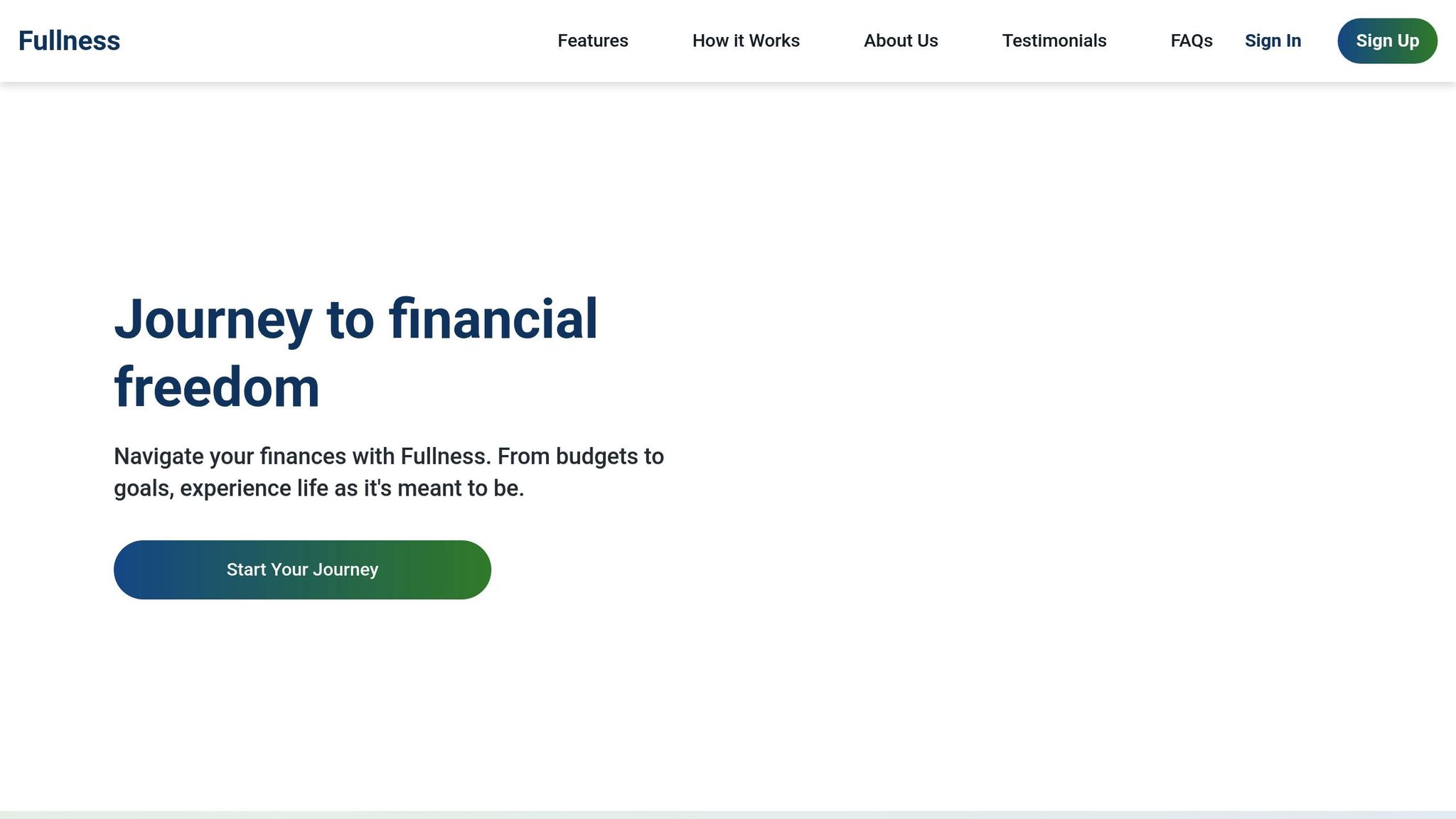
Use tools like Fullness to organize your finances. It can help you categorize spending, set savings goals, schedule reminders, and track your fund’s growth with clear visuals. Once your fund is in place, you’ll have an easier time replenishing it after use and adjusting your goals as needed.
Managing Your Emergency Fund
Once you’ve picked the right account, keeping your emergency fund in good shape comes down to three simple steps:
Replace Used Funds
If you dip into your fund, make it a priority to refill it as soon as possible. Here are a few ways to do that:
- Set up automatic transfers from your checking account to your emergency fund.
- Cut back on non-essential spending to free up extra cash.
- Sell items you no longer need or take on a side gig.
- Direct bonuses, tax refunds, or other unexpected income straight into your savings.
"Start someplace with whatever amount of money you can. Because no matter what, whatever you can is better than nothing."
Once your fund is back to its full amount, review it regularly to ensure it still meets your needs.
Update Your Savings Goal
Life changes – marriage, having kids, buying a home, or switching jobs – can impact your finances. Re-evaluate your savings target annually or after major milestones to make sure it aligns with your current expenses.
Track Your Progress
Stay on top of your fund by using tools like Fullness’s tracker. It helps you monitor your progress, sends balance alerts, and lets you tweak transfers when needed. Keeping an accurate view of your fund makes it easier to spot gaps and stay motivated.
"Start someplace with whatever amount of money you can. Because no matter what, whatever you can is better than nothing."
Next Steps
You’ve set your goal, picked an account, and created a plan – now it’s time to take action. Start by aiming to save an initial $1,000 as soon as possible.
- Open a high-yield savings account: This keeps your funds separate and easy to access.
- Automate your savings: Use Fullness to schedule contributions and turn on the round-up feature. This tool saves spare change from your purchases – like rounding up a $3.50 coffee to $4.00 and saving the extra $0.50.
- Save unexpected income: Direct tax refunds, bonuses, and rewards straight into your savings.
Track your progress in Fullness and adjust your contributions as needed. Think of your emergency fund as a regular monthly expense, just like rent or utilities. Start building your financial cushion today.
"Life is already full of financial demands…"
Leave a Reply